Last updated November 23, 2026
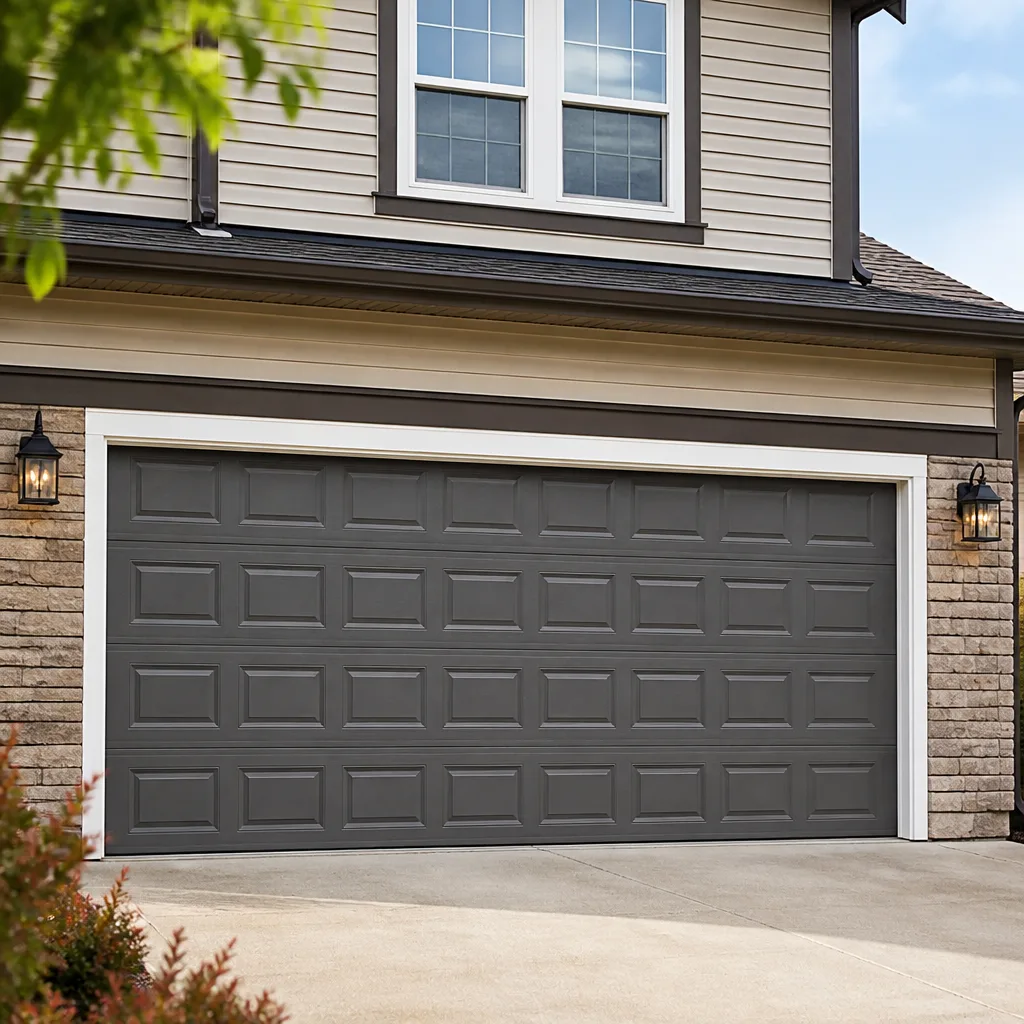 Raised-panel steel
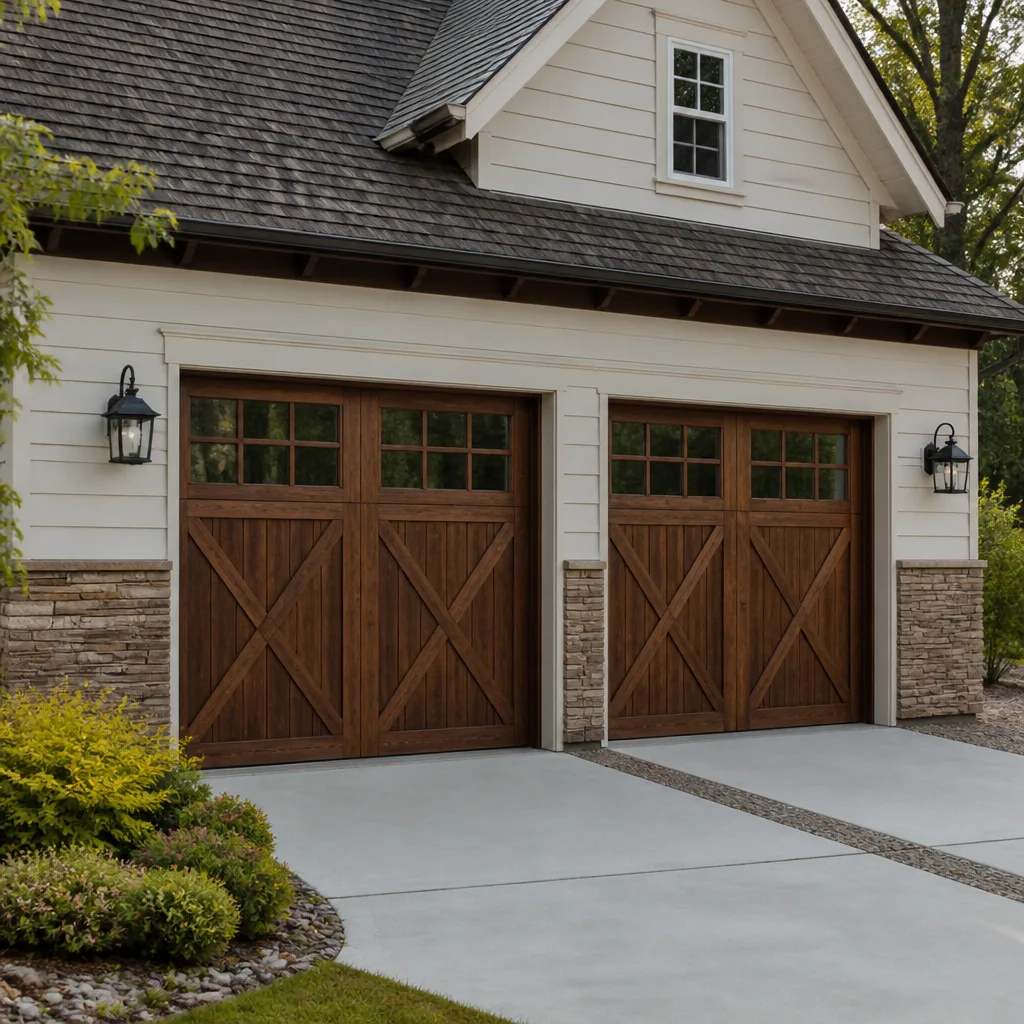 Carriage house
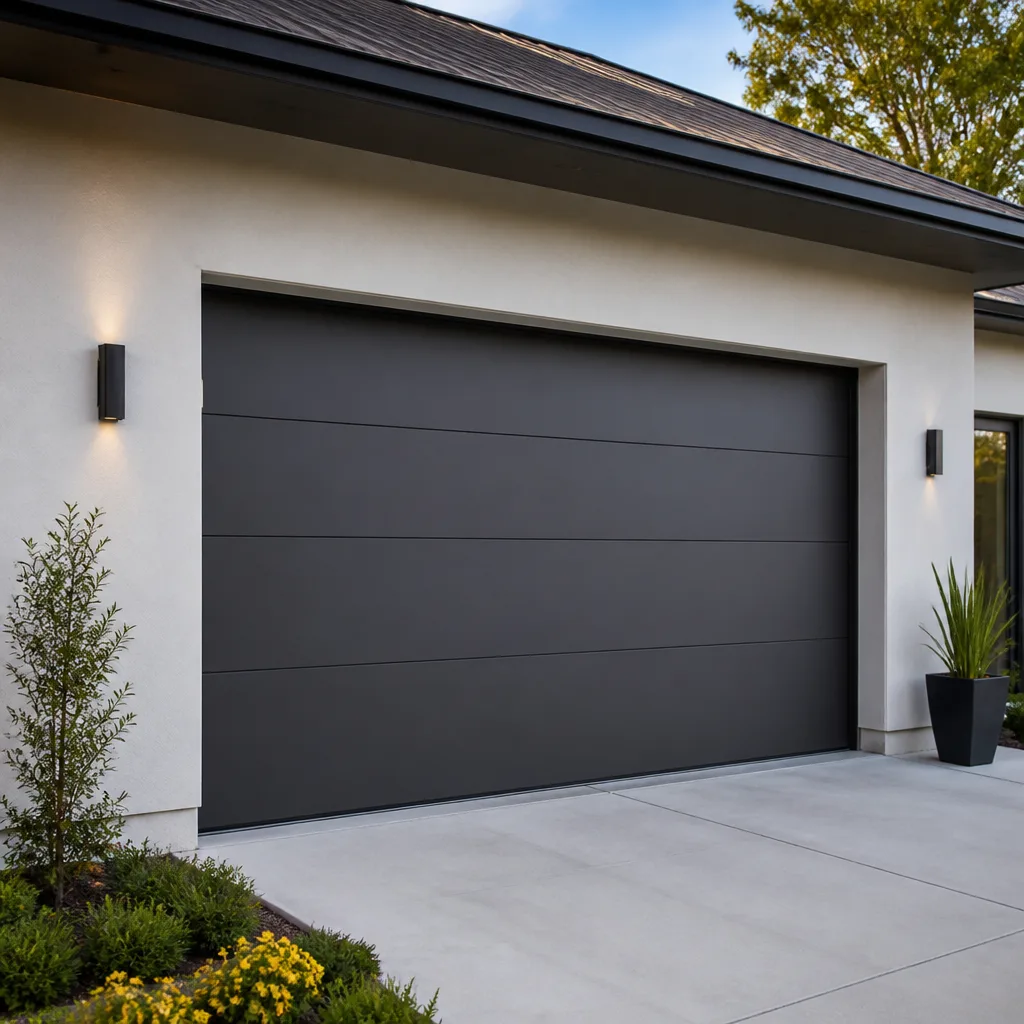 Modern flush
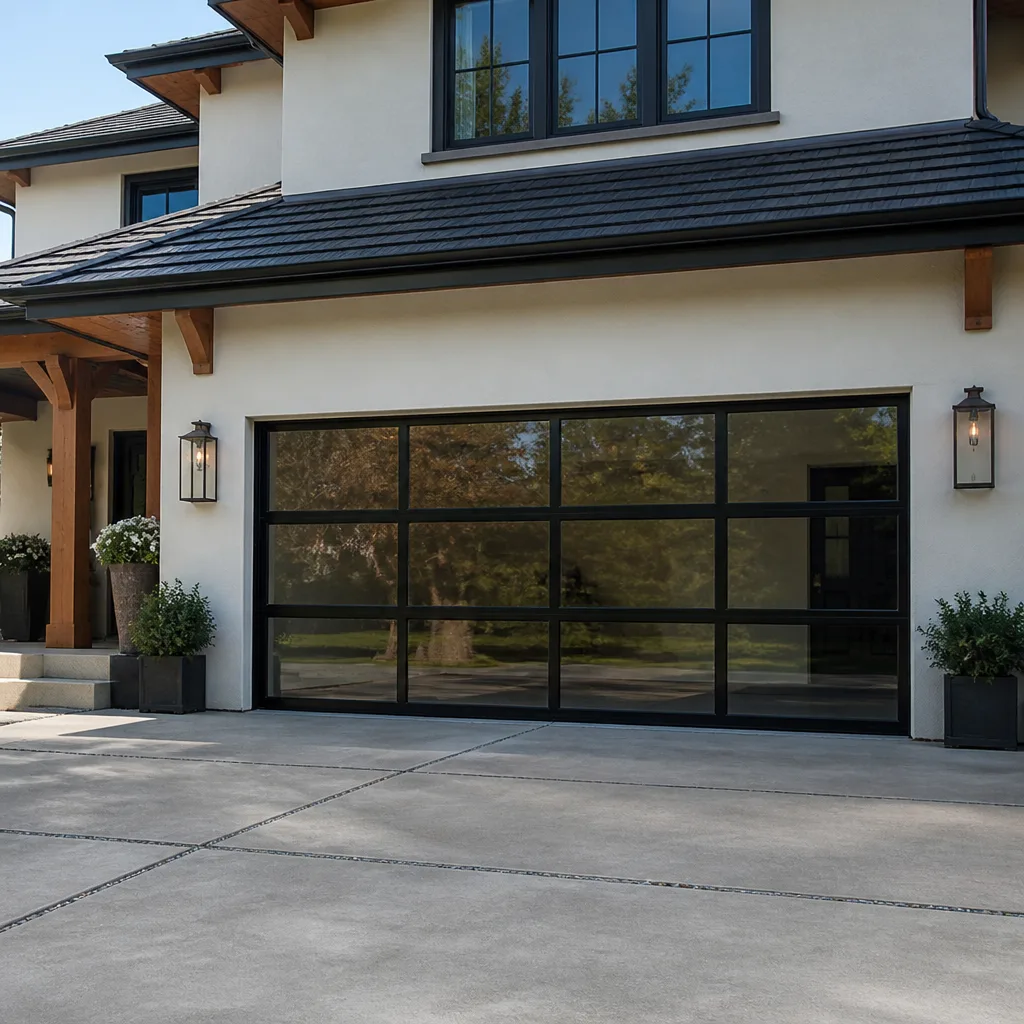 Full-view glass
 LiftMaster openers
 Chamberlain openers
Full 25-point door and opener safety check with every visit - springs, cables, rollers, tracks, and your LiftMaster or Chamberlain opener included
You get a price before we start. It does not change when the pro arrives.
Get your free estimateSeasonal Garage Door Care for Parsippany: Year-Round Homeowner’s Guide
Here’s the counterintuitive part most maintenance checklists get wrong: the cold-weather garage door advice you’ll find on nearly every home care site is exactly backwards. Spraying standard lubricant on a track or hinge when the temperature drops below 40°F doesn’t protect the door. It thickens the grease, adds drag, and forces your opener to work harder all winter. Garage doors in Parsippany don’t experience one climate. They move through four genuinely different mechanical stress cycles a year, and the care that helps in August can hurt in January. This guide sequences the work by season, explains the mechanical reason behind each task, and covers the one inspection nearly every other guide skips entirely.
Quick Answer
Seasonal garage door maintenance in Parsippany follows a four-part rhythm: adjust and inspect spring tension in fall before the first hard frost, protect seals, sensors, and battery backups through winter freezes, rebalance the door in spring after freeze-thaw shifts the concrete floor, and handle refinishing, track drift, and humidity expansion in summer. The one task that should happen every single season, regardless of weather, is a cable drum inspection. Every other item on this page protects convenience. That one protects you.
Styles & brands we work with
- Raised-panel steel
- Carriage house
- Modern flush
- Full-view glass
- LiftMaster openers
- Chamberlain openers
Table of Contents
- Why Parsippany’s Four Seasons Demand a Maintenance Calendar
- Fall: Why You Adjust Spring Tension Before the Frost, Not After
- Winter: Bottom Seals, Photo-Eyes, and Battery Backups in Sub-Freezing Temps
- Spring: How Freeze-Thaw Cycling Throws Off Door Balance
- Summer: Humidity, Track Drift, and the Right Time to Refinish
- The Cable Drum: The One Inspection Every Season
- A Month-by-Month Maintenance Calendar for Parsippany
- Common Mistakes to Avoid
- When to Call a Professional
Why Parsippany’s Four Seasons Demand a Maintenance Calendar
Morris County sits in a zone where a garage door can see a 90-degree temperature swing over the course of a single year, and every one of those degrees moves metal. Steel tracks expand in July heat and contract in January cold. Wood panels swell in humid stretches and shrink once the heat kicks on indoors. The springs that counterbalance a 150- to 200-pound door change their effective tension as the metal warms and cools. None of this is a design flaw. It’s just physics, and it’s why a door that runs smoothly in October can feel sluggish by February without anything “breaking.”
What we’ve learned is that maintenance isn’t really about fixing things. It’s about matching the task to the season so you’re working with the metal’s natural behavior instead of against it. Lubricate in mild weather when the product flows where it’s meant to. Adjust springs before the cold makes them stiff and brittle. Check balance after the ground thaws and settles. Refinish wood when humidity is stable enough for the finish to cure properly.
A Parsippany homeowner who follows the seasonal sequence below is doing the same thing a technician does on a maintenance visit, just without the torque tools. Homeowners in Lake Hiawatha and Mount Tabor, where lots tend to sit closer together and doors run every day, get the most benefit from staying on the calendar. So do small-business property owners off Route 46 and Route 10, where a door that won’t open in the morning costs more than a repair bill.
What Drives Most Door Failures
The single biggest factor in premature wear is temperature mismatch: doing the right task at the wrong time of year. The second is skipped inspections. When we look at a door that’s aging early, it’s almost never a manufacturing problem. It’s a door that got one thorough tune-up in spring and nothing else for the year.
Fall: Why You Adjust Spring Tension Before the Frost, Not After
Fall is the most important maintenance window of the year, and the reason is simple: you want the door in correct balance before the cold lockup, not after the first hard freeze forces a midwinter repair. When temperatures drop below freezing, torsion springs stiffen. A door that was balanced in September will feel heavier and operate differently by December, and if the opener is already close to its force limit, that extra load wears it down faster.
The best window in Parsippany is late September through early November, while the metal is still warm. That’s when spring adjustment and balance inspection are reliable, and when you have room to correct a problem before winter.
Calculating Your Cycle Count for the Temperature Drop
Most standard residential torsion springs are rated for a set number of cycles. A cycle is one full open-and-close. A typical household runs somewhere in the range of 1,000 to 1,500 cycles a year, which is one of the reasons spring life varies so much between homes. You don’t need to count manually. The point is to get your spring looked at before the cold season adds the most stress, because the loads are highest when the weather is coldest.
Fall Checklist
- Test door balance by disconnecting the opener and lifting the door halfway. If it won’t stay there, or falls, the balance is off and should be checked.
- Inspect cables for fraying at the drum and the bottom brackets, and look at the drums themselves for wear.
- Apply a cold-rated garage door lubricant to hinges, rollers, and the torsion shaft if the weather is mild enough for it to flow.
- Clean the tracks and check the vertical and horizontal sections for bends.
- Test both photo-eye sensors and every reversal safety feature while the weather is still pleasant.
- Look at weather seals for cracking before the cold makes them brittle and ineffective.
Spring adjustment is where the DIY path ends. A torsion spring stores an enormous amount of energy, and an incorrect adjustment or a slip of the winding bar can cause severe injury. Fall is the right time to schedule garage door spring repair inspection rather than experimenting on your own.
Winter: Bottom Seals, Photo-Eyes, and Battery Backups in Sub-Freezing Temps
New Jersey winters create a specific set of failures a warm-climate guide never mentions, and they tend to arrive together. The most frequent winter issue we diagnose in Parsippany is a bottom seal that has gone rigid. The rubber that flexed easily in October becomes stiff and less capable of sealing in a deep freeze, which lets cold air, moisture, and small pests under the door. That draft also makes the garage colder, which stresses everything else.
Bottom Seal Failure in the Cold
If you can see daylight under the door from inside the garage with the door closed, the seal is failing. If it’s already hard and cracked, replacing it before the worst of winter pays off. A soft, intact seal keeps the garage several degrees warmer and reduces the strain on the door.
Photo-Eye Sensors and Cold
The safety sensors at the base of each track can misbehave in sub-freezing conditions. Moisture from melting snow can fog the lens, condensation can freeze on it, and a low sun angle can confuse the receiver. A door that reverses without an obvious obstruction in winter is often a sensor issue, not a mechanical one. Wipe the lenses, check alignment, and clear any ice or snow buildup at the base of the door.
Battery Backup Reality
Most modern openers include a battery backup, and most homeowners never test it. In winter, a power outage combined with a cold battery is when you find out it’s flat. A backup battery also loses capacity in cold, so a battery that tested fine in August can fail when you actually need it. Test it in late fall and check the charge indicator on the opener.
The 40°F Lubrication Rule
If you apply standard garage door lubricant below 40°F, it thickens and drags on rollers and hinges instead of letting them move freely. This is the most common winter strain we see. Wait for a mild day, or use a product rated for cold application. Never force a sluggish door with the manual release if you’re not sure why it’s sluggish.
An opener that groans or works hard in winter is usually telling you the door’s resistance has increased, not that the motor is failing. Our garage door opener repair work often starts with the door itself.
Spring: How Freeze-Thaw Cycling Throws Off Door Balance
Once the ground thaws, the concrete floor under your garage can shift slightly, and suddenly the door that ran perfectly in January doesn’t close flush or sits unevenly at the bottom. Freeze-thaw cycling is the culprit. Water seeps into small cracks in the slab in fall, freezes and expands in winter, and thaws in spring, leaving the floor just slightly different from where it was. The door frame and track anchoring can also move with it.
What to Check Before Opener Strain Damages the Motor
- With the door closed, check whether the bottom seal meets the floor evenly across the full width.
- Look for a gap at either corner, which suggests the floor has settled or the door is out of level.
- Disconnect the opener and lift the door by hand. It should move smoothly and stay put at any point.
- Listen to the opener during a few full cycles. Any groaning or hesitation is a sign the door is loading the motor, often on a garage door repair list before long.
- Inspect the tracks at the floor line for new bends or misalignment from frost movement.
Spring is also the right time to test the force setting on the opener. If the door requires more force than before to open, that’s the door telling you to fix the resistance rather than dial up the motor. On Clopay and Amarr doors, which are common in Parsippany subdivisions, the balance and track alignment should both be checked after freeze-thaw.
Why This Matters
Opener damage often traces back to a door that was fighting back. Chasing a stiff door with more motor force is how gears and drive components get replaced unnecessarily. Fix the door, and the opener usually goes back to running as designed.
Summer: Humidity, Track Drift, and the Right Time to Refinish
Summer in Parsippany brings humidity, and humidity does very specific things to a garage door. Wood panels swell. Steel tracks drift. The door that ran perfectly in May can start to rub on a track in July. This is the season for two things: refinishing wood, and checking that the door hasn’t drifted out of alignment as the metal relaxes into the heat.
Humidity and Wood Doors
Wood and wood-composite doors absorb moisture in high humidity. The panels expand, which can cause them to rub, stick, or push against frames. If your wood door is binding in late summer, don’t force it. Check for swollen bottom panels and see whether the door has closed differently this month than it did in April.
Track Alignment Drift
Steel tracks expand in the heat. This is the season to walk both sides of the door and look for sections that have shifted outward or inward. The horizontal tracks should look parallel when you sight down them. A track that has drifted can cause rollers to squeal, bind, or wear faster. A light check now saves a garage door repair bill later.
Refinishing Windows
Summer is also the best time to refinish or repaint a wood or painted-steel door. Warm, dry conditions let the finish cure correctly. Rough up the surface, clean it, and use a quality exterior product. A painted door that’s been refinished within the last few years holds up better through winter. If you plan to repaint, do it before August heat peaks so the top coat has time to fully cure.
Watch for Roller Wear
Heat also makes nylon rollers softer. If you hear squeaking in a Parsippany summer, the rollers may be nearing replacement. This is a low-cost service that pays for itself by keeping the door running smoothly.
The Cable Drum: The One Inspection Every Season
Cable drums should be inspected every single season, regardless of weather. Nearly every maintenance guide you’ll find focuses on springs, rollers, and openers and skips the drums entirely. That’s a mistake, because a cable that’s jumped its drum or is starting to wind unevenly is one of the most serious failure risks on a garage door.
What to Look For
- Cables that look frayed or kinked near the drum or at the bottom bracket.
- Cables that are winding unevenly on the drums when the door operates.
- A drum that’s loose, wobbling, or shows cracks.
- Any cable that has come out of its groove entirely.
- A door that looks slightly crooked when raising or lowering.
Why the Drums Are Critical
Cables under tension run from the bottom brackets up to the cable drums. If a cable fails or jumps its drum, the door drops under spring tension. That’s an extremely dangerous scenario, and it’s why cable drum inspection isn’t a routine-item-on-a-checklist sort of task. It’s a safety inspection.
What You Should Never Do
Don’t touch a cable under tension. Don’t try to re-seat a cable on its drum by hand. Don’t buy a replacement cable and install it yourself unless you’re specifically trained. This is the part of garage door work where untrained DIY is most likely to cause serious injury. Have a trained technician inspect and correct drum and cable issues before they cause a failure, especially as seasonal temperatures change.
A Month-by-Month Maintenance Calendar for Parsippany
Here’s the schedule we suggest to homeowners based on how Parsippany’s seasons actually affect the mechanics. It’s not a rigid calendar; the point is to move each task into the season where it does the most good.
- September – October: Balance and spring inspection, cable drum check, weather seal inspection, fresh lubricant while temperatures are still mild.
- November: Test the opener battery backup, check the safety sensors, replace a failing bottom seal.
- December – February: Keep the area under the door clear of ice and snow, wipe sensor lenses, listen for new drag or groaning, don’t lubricate below 40°F.
- March – April: Rebalance after freeze-thaw, check for new gaps at the bottom of the door, inspect tracks along the floor line, test the opener under load.
- May: Second cable drum inspection of the year, check rollers for wear, clean tracks.
- June – July: Track alignment check for heat expansion, refinish wood doors, look for binding panels.
- August: Third cable drum inspection, third and final lubing while temperatures are still warm, plan fall tune-up.
If you’re not comfortable doing even the “safe” checks, book a professional maintenance visit in late fall. A technician can do the balance, drum, spring, and safety inspection in one visit and leave a written summary of what’s needed and what can wait.
Common Mistakes to Avoid
- Lubricating below 40°F. The right product at the wrong temperature drags on rollers and loads the opener. Wait for a mild day.
- Wait until the spring breaks to think about springs. By the time a spring fails, the door is unsafe to use. Get tension inspected before the cold season.
- Skipping the cable drums. The skipped item on nearly every other guide is the most important one. Check drums every season.
- Ignoring a hard-working opener in winter. Opener strain is usually a door problem, not a motor problem. Fix the resistance first.
- Adjusting torsion springs as a DIY project. A slip with the winding bar can cause serious injury. Don’t attempt this.
- Repainting a wood door in high humidity. A finish applied in the wrong conditions peels early. Refinish when the weather is stable.
- Skipping the battery backup test. A backup that fails when you need it isn’t a backup. Test it in fall.
- Tightening tracks to “fix” a misaligned door. Track drift in summer or after freeze-thaw is a sign the door needs to be rebalanced, not clamped into place.
When to Call a Professional
Call a professional when you see a broken spring, a frayed or jumped cable, a door that drops or falls out of balance, a door that’s off its tracks, or an opener that runs but doesn’t move the door. Call when a door reverses without an obstruction, when it won’t close flush at one corner, or when it’s making a new noise that’s not a lubrication problem. Call before winter if your springs were never inspected, and call after a freeze-thaw cycle if the balance changed over the cold months.
Parsippany Garage Door Repair Co offers free estimates in Parsippany – call (855) 513-2771. Our technicians have up to 10 years of experience and work on Genie, Clopay, Amarr, and Wayne Dalton systems, along with the other major brands in the trade. We cover repair, opener repair, spring repair, and full installation. If a spring, drum, or cable needs a professional’s look, one call can get you an inspection and a written quote before any work starts.
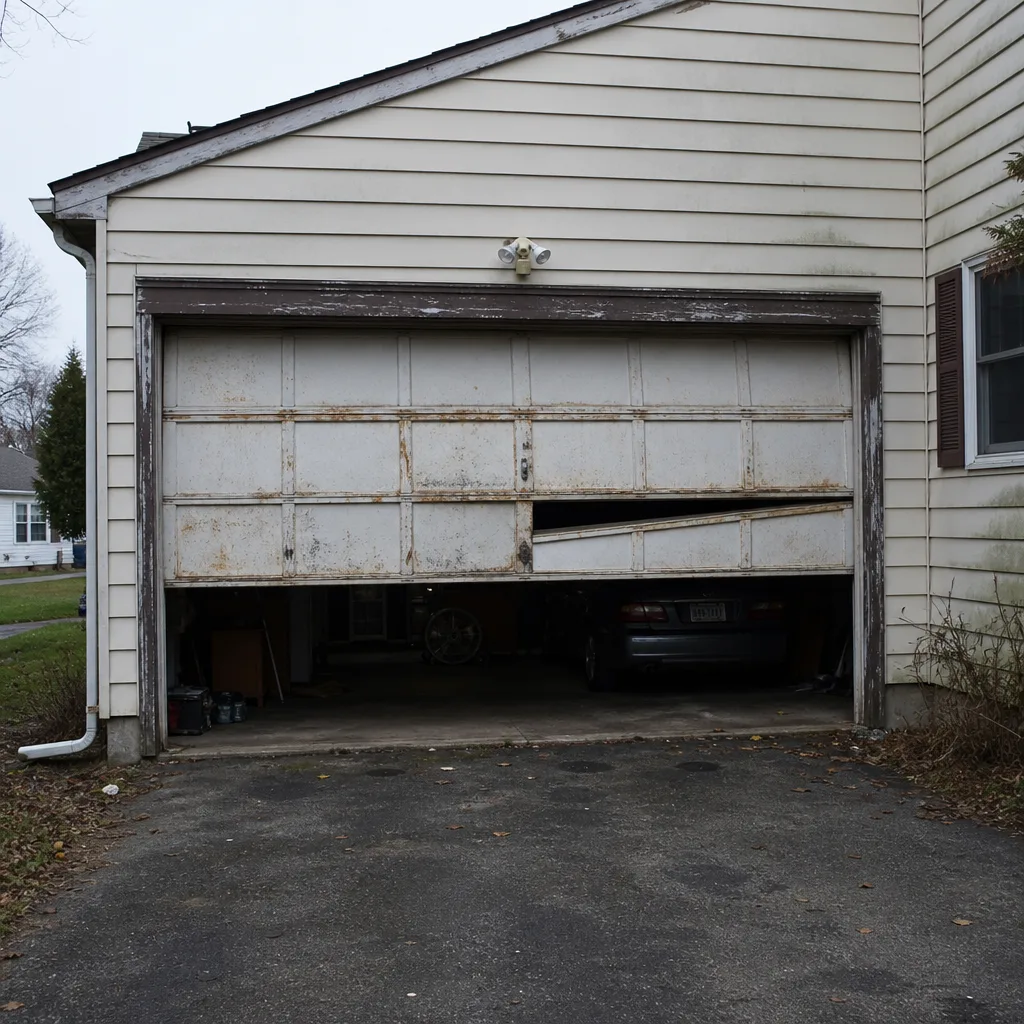
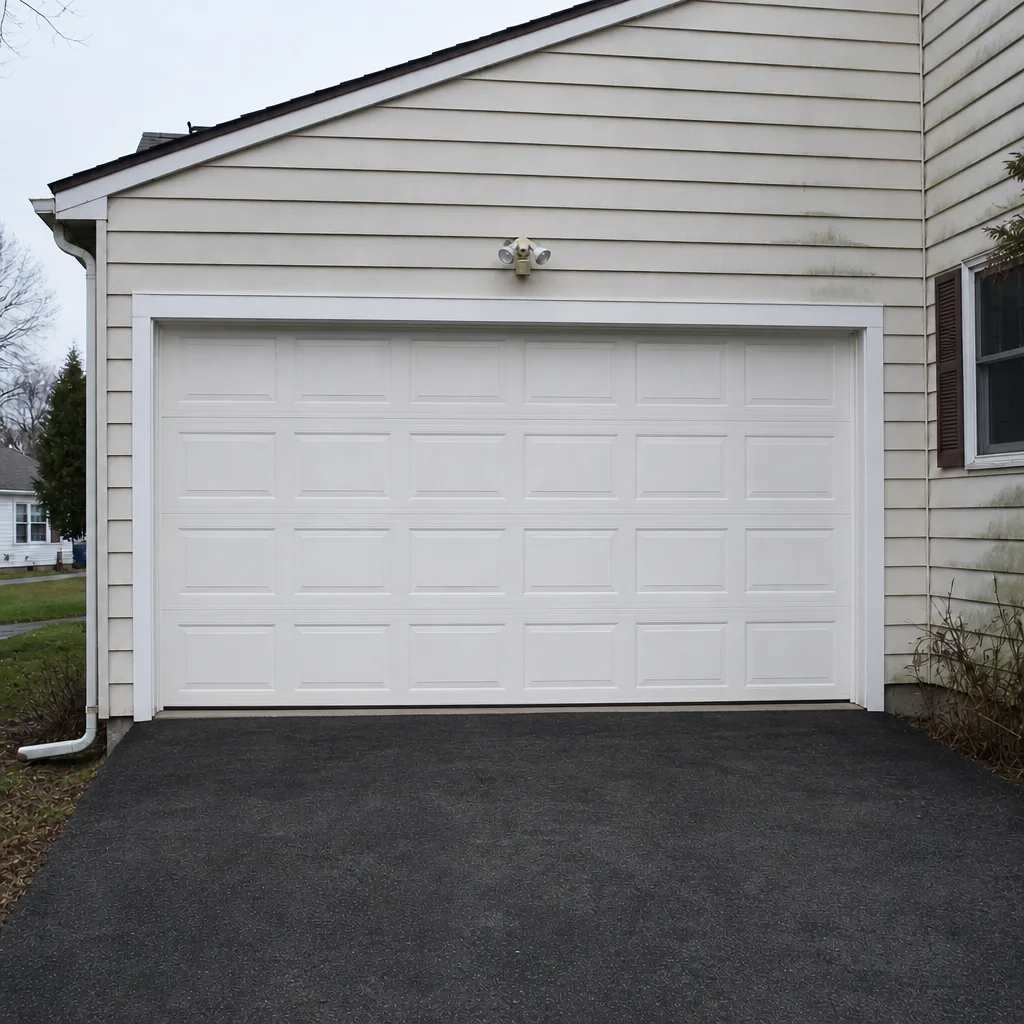
See the difference
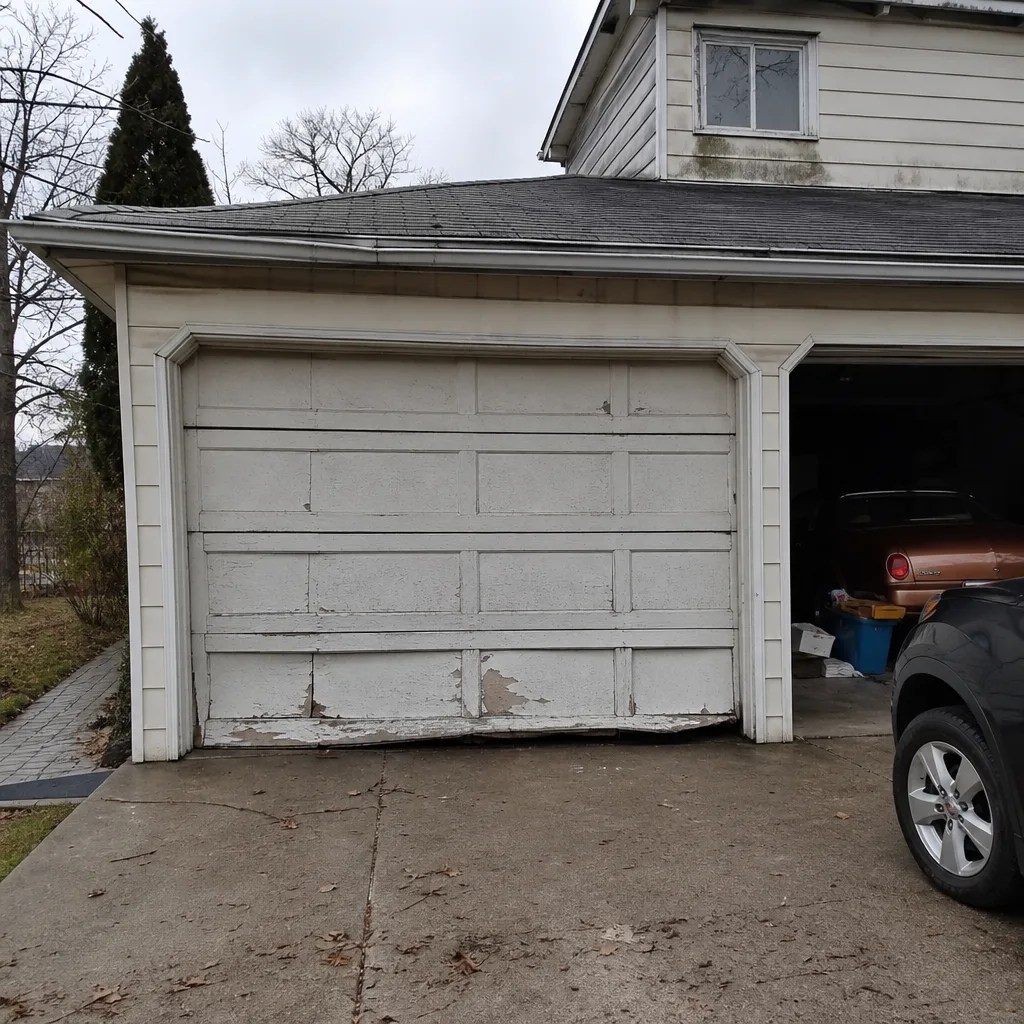 Before
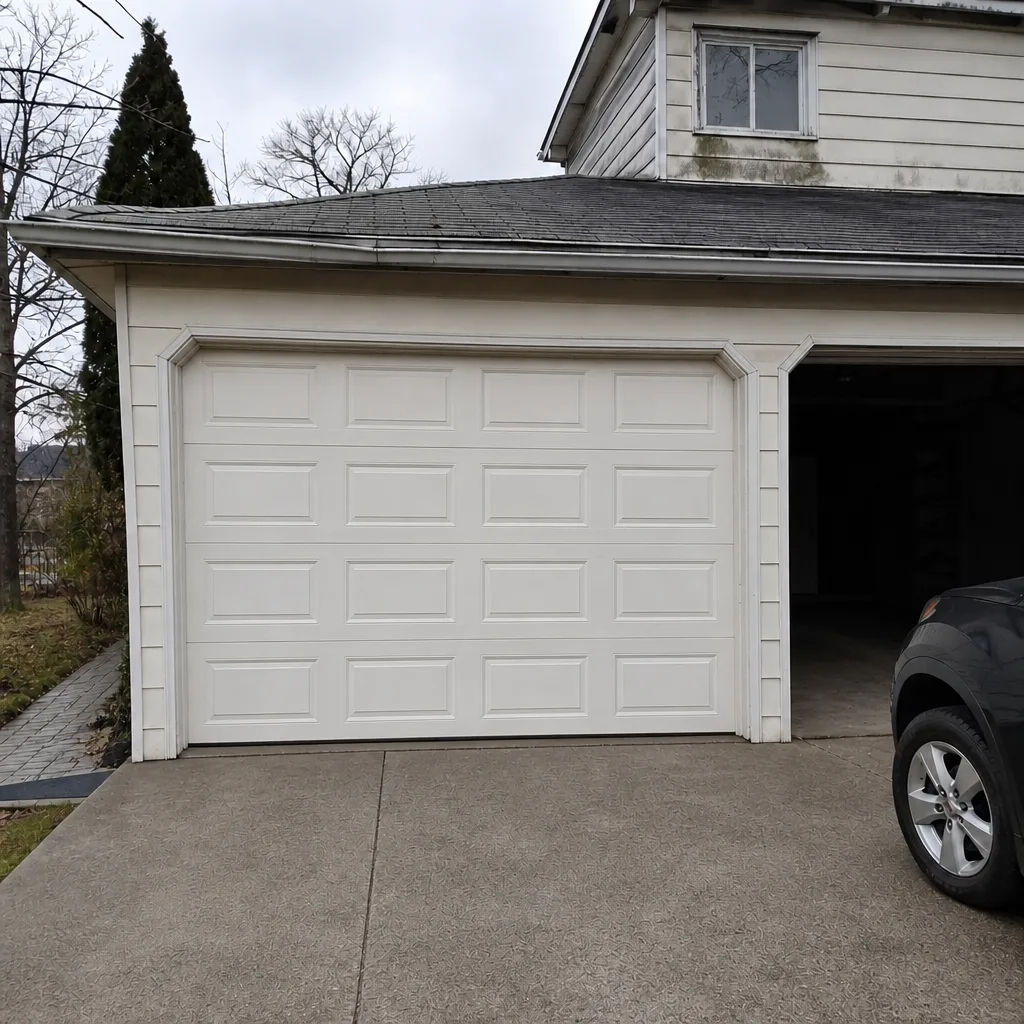 After
 Before
 After
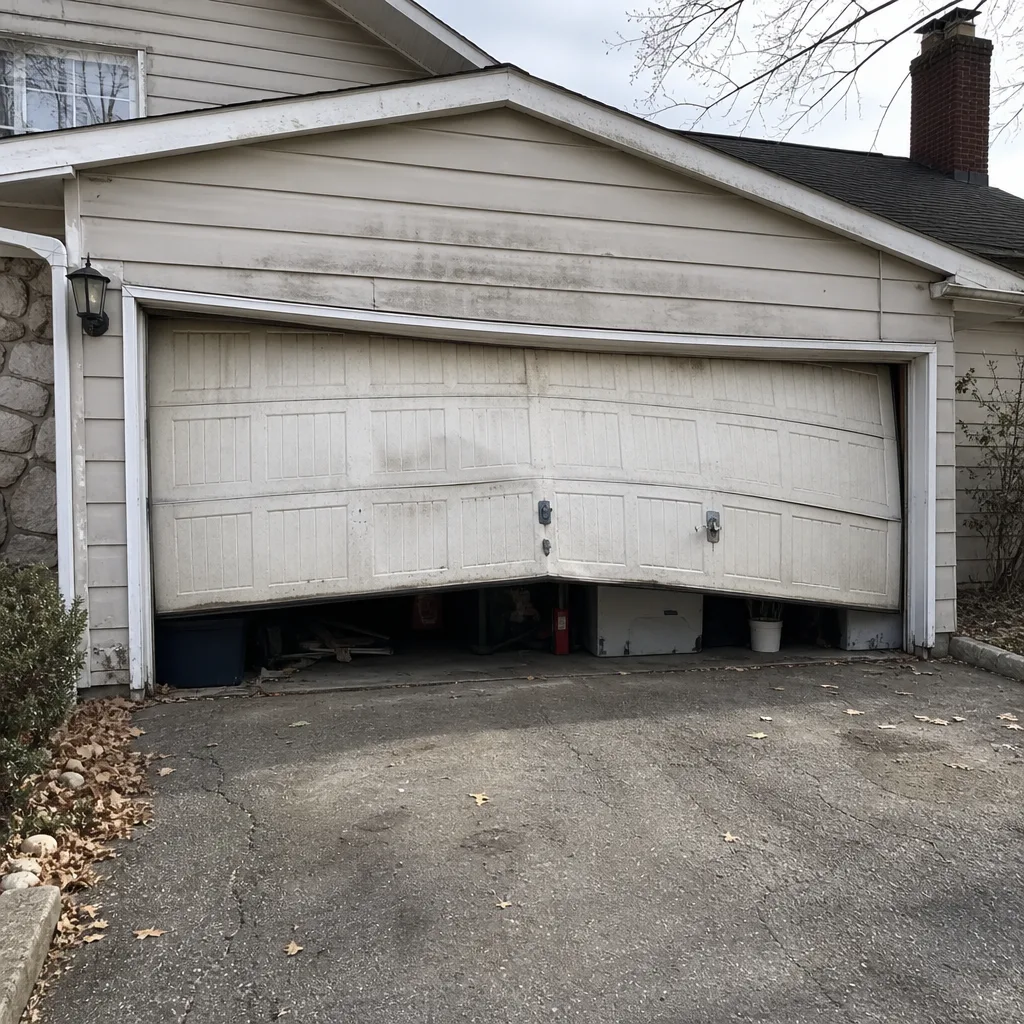 Before
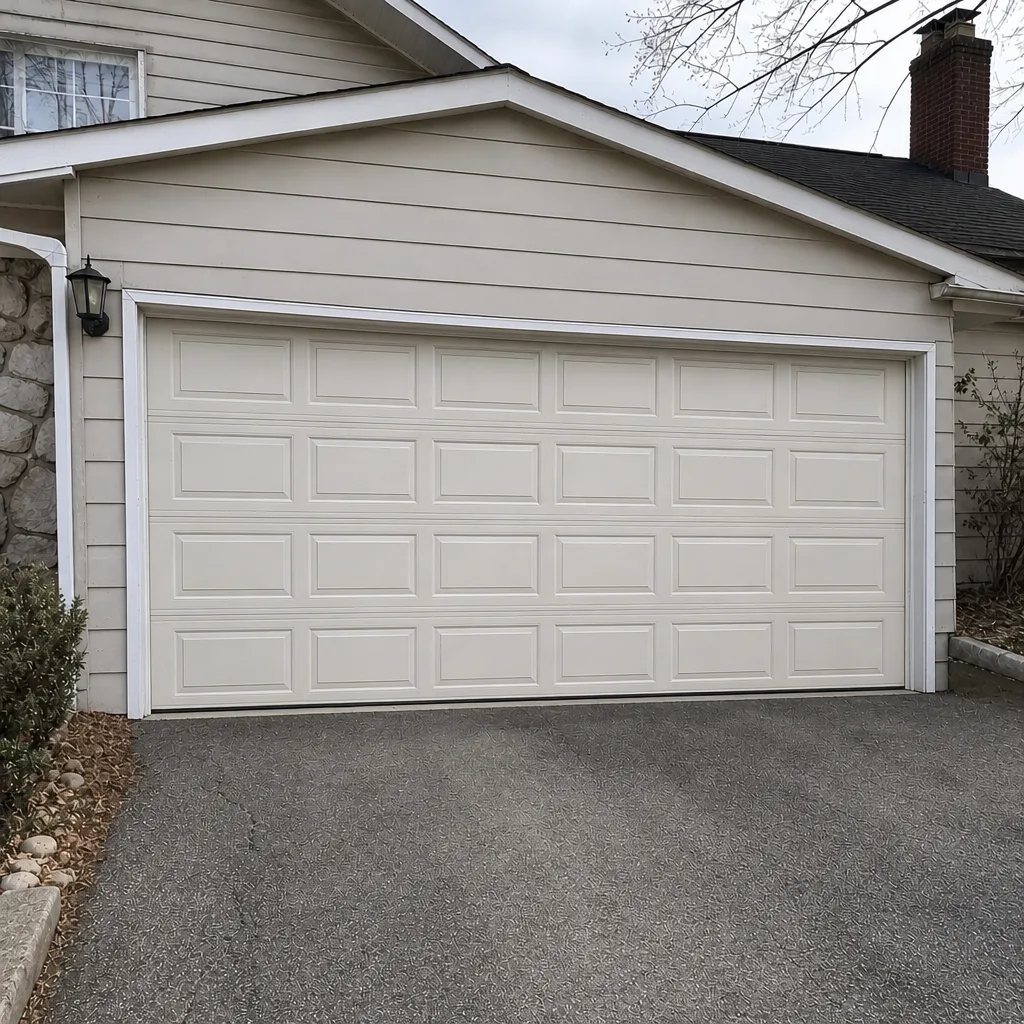 After
Frequently Asked Questions
Service your garage door at least twice a year – once in fall before the cold sets in and once in spring after the freeze-thaw cycle. Between visits, check your cable drums every season regardless of weather. Fall is the highest-priority tune-up window in Parsippany, because spring tension, balance, and seal condition should all be verified before the first hard freeze. Call (855) 513-2771 for a free estimate if you haven’t had a tune-up since the last cold season.
Yes, standard lubricant applied below 40°F thickens and resists movement instead of letting parts glide. The result is more drag on rollers and hinges, which loads the opener and causes premature wear. Lubricate in mild weather or use a cold-rated product. If your opener is straining in winter, call (855) 513-2771 to rule out a mechanical issue.
Freeze-thaw cycling shifts the concrete floor and track anchoring slightly, which can throw the door out of balance and cause uneven closing or binding. This is why spring rebalance is scheduled after the ground thaws rather than before. If your door closes unevenly after winter, get balance checked before the trouble shifts to the opener. Free estimates are available – call (855) 513-2771.
Warm, dry, stable weather is best, which usually means summer in Parsippany. Wood panels swell in high humidity and need to settle before a finish can cure correctly. If the humidity is extreme, wait for a drier stretch. A paint job done in the wrong conditions peels early and lets moisture back in.
The cable drum inspection is the item nearly every maintenance guide leaves out. Cables under tension run from the bottom brackets to the drums, and a jumped or frayed cable can let the door drop. Every season, look at the drums and cables for fraying, kinks, uneven winding, or looseness. If you’re not sure what you’re seeing, call (855) 513-2771 for a safety check.
No – metal expands in heat and contracts in cold, so the door’s balance, resistance, and track alignment shift with the seasons. A properly maintained door handles those changes well. A door that’s out of balance or loaded will show it much faster in temperature extremes. Schedule seasonal maintenance so the changes stay small.
The Bottom Line
Seasonal care isn’t about doing more. It’s about doing the right thing at the right time of year. In Parsippany, that means adjusting springs and lubricating before the cold, protecting seals and backups through winter, rebalancing after freeze-thaw, and refinishing and checking track drift in summer. The one task you shouldn’t wait on is the cable drum inspection. Every other item on this page protects convenience. That one protects you. If you’d rather have a technician handle the balance, spring inspection, drum check, and safety tests in a single visit, that’s a straightforward call. Our technicians have up to 10 years of experience, and we cover repair, opener repair, spring repair, and full installation on the major brand systems. When the door needs a professional look, we’re here.
Call (855) 513-2771 for a free estimate on Parsippany Garage Door Repair Co maintenance, repair, or installation. We’ll give you a written price before any work starts.
Written by the team at Parsippany Garage Door Repair Co.