Last updated November 23, 2026
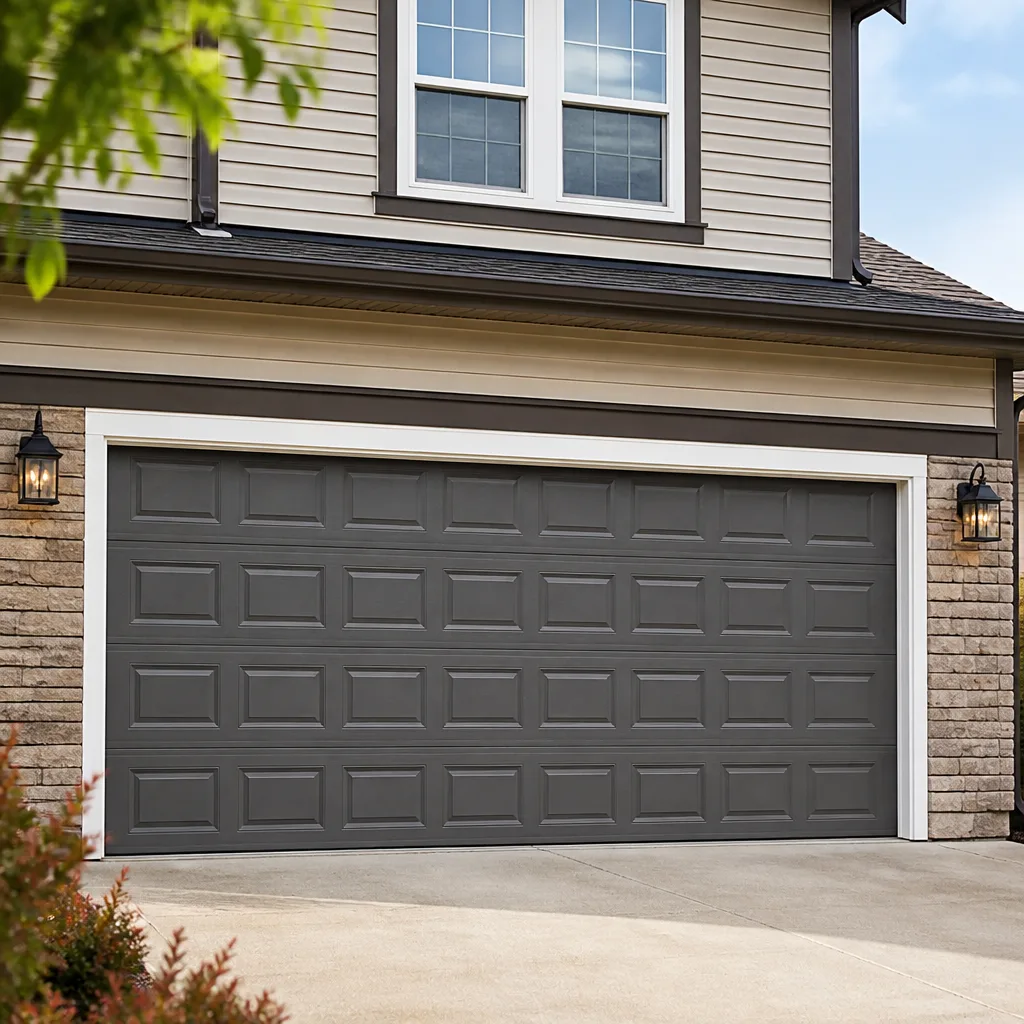 Raised-panel steel
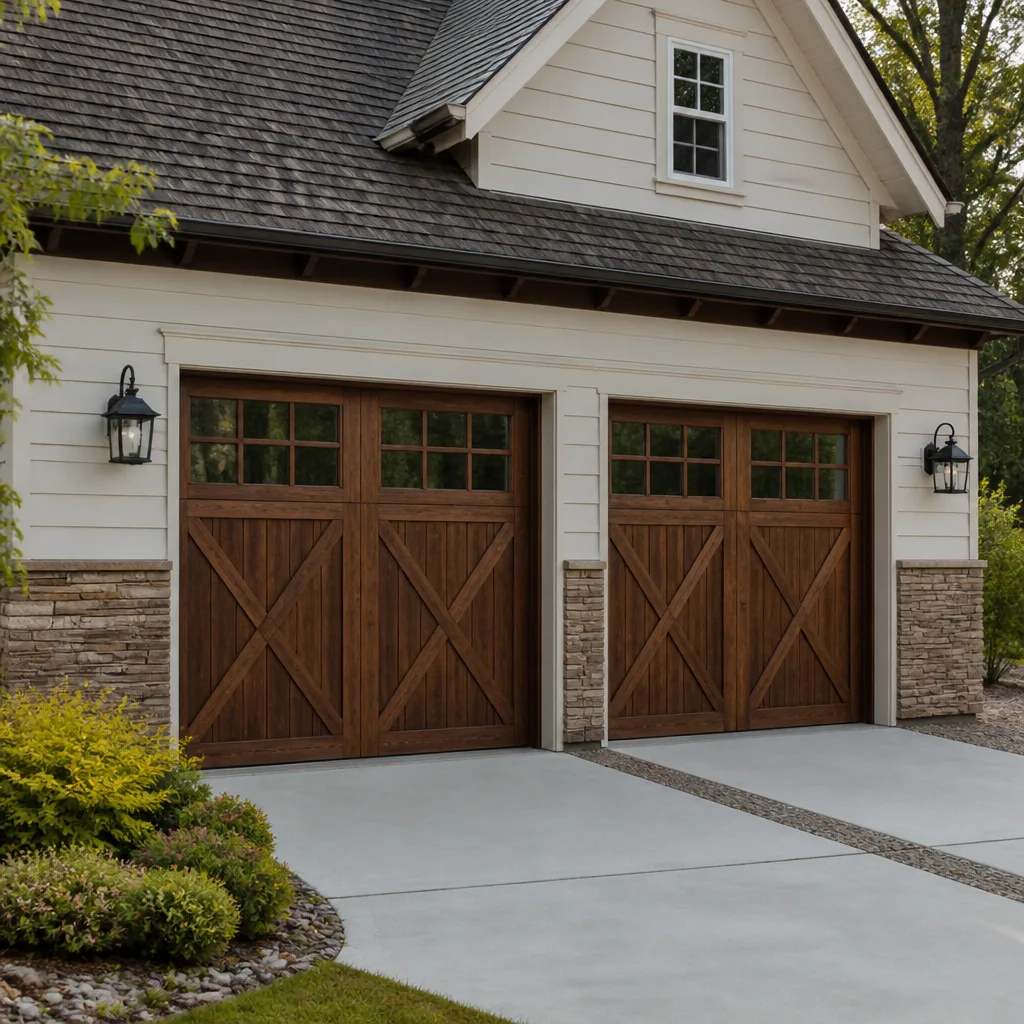 Carriage house
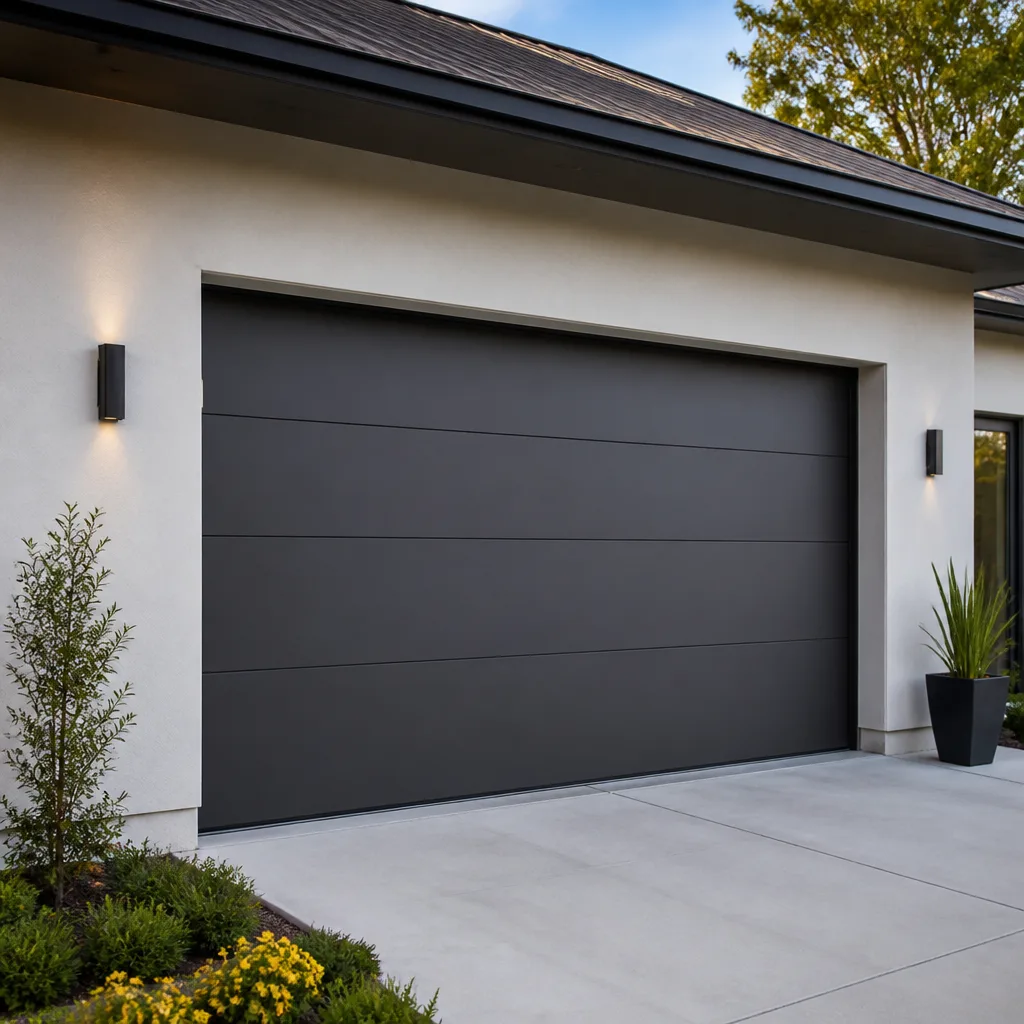 Modern flush
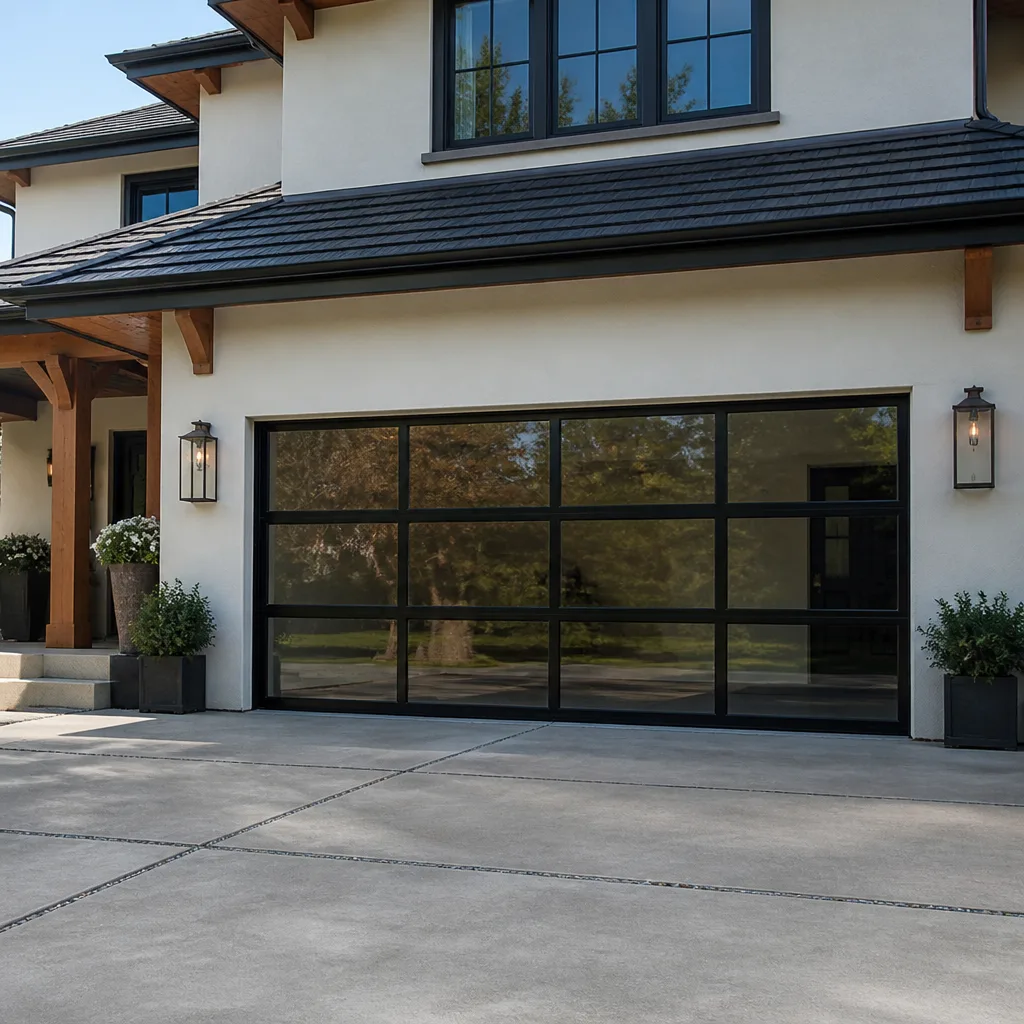 Full-view glass
 LiftMaster openers
 Chamberlain openers
Full 25-point door and opener safety check with every visit - springs, cables, rollers, tracks, and your LiftMaster or Chamberlain opener included
You get a price before we start. It does not change when the pro arrives.
Get your free estimateDIY vs Professional Garage Door: The Parsippany Homeowner’s Decision Guide
Most advice about garage door repairs splits the world into two useless halves: “do it yourself” or “call a pro.” That’s not how the risk actually works. Replacing a bottom seal or lubricating rollers is a job you can do this afternoon with a ladder and a socket set. Replacing a torsion spring is a job that can take a finger or break a wrist if the winding bar slips. The real question isn’t whether you’re handy. It’s which specific tasks carry genuine injury risk and which ones are safe for any homeowner to handle. This guide draws those lines precisely, task by task, so you can decide what to take on yourself and what to hand to a trained technician in Parsippany.
Quick Answer
Safe DIY garage door tasks in Parsippany are limited to low-tension, non-structural work: replacing weatherstripping or a bottom seal, lubricating rollers and hinges, aligning photo-eyes, and reprogramming a remote or keypad. Torsion spring replacement, cable replacement, and cable drum work should never be DIY because torsion springs store enough energy to fracture bones and the hardware requires specialized tools. Everything in between – opener adjustments, roller replacement, track realignment – requires skill and judgment, and that’s where a professional assessment saves money.
Styles & brands we work with
- Raised-panel steel
- Carriage house
- Modern flush
- Full-view glass
- LiftMaster openers
- Chamberlain openers
Table of Contents
- The Task-by-Task Safety Matrix
- Why Torsion Springs Are Different: The Injury Reality
- Tools for Safe DIY Tasks vs. What Spring Work Actually Requires
- New Jersey Homeowner Legal Exposure After a DIY Repair
- Doing an Honest DIY vs Professional Cost Comparison
- How Parsippany Housing and Weather Shape the Decision
- What Brand Familiarity Means for Your Repair
- Common Mistakes to Avoid
- When to Call a Professional
The Task-by-Task Safety Matrix
Not every garage door job carries the same risk. The split comes down to stored energy and structural load. Tasks that touch springs, cables, or drums are in a different category entirely from tasks that touch the door’s surface, its weather seals, or its electronics. Here’s how the work actually divides.
- DIY-safe (low risk, basic tools): Replacing the bottom seal or weatherstripping, lubricating rollers, hinges, and tracks, cleaning and aligning photo-eye sensors, replacing the opener’s battery or light bulbs, reprogramming remotes, keypads, and smart controllers on LiftMaster, Chamberlain, Genie, and Craftsman units.
- Skill required, no specialized spring tools: Replacing rollers (a socket set and a clamp), adjusting opener travel and force limits, realigning a slightly off-track section, replacing opener belts and chains, checking and adjusting the safety reverse.
- Never DIY (injury risk): Torsion spring replacement, extension spring replacement, cable replacement, cable drum work, and any repair requiring the door to be held under tension with winding bars.
Parsippany homes sit in a climate that swings hard between humid summers and freezing winters. That cycle is rough on seals, rollers, and hinges, so the DIY-safe items on that list come up more often here than they might in a milder region. Most of what a Parsippany garage door needs in a typical year is maintenance work a homeowner can reasonably do.
The middle tier is where judgment matters. A door that jumps its track by an inch is a different situation than a door with a bent track section or a snapped cable. One is a realignment. The other is a structural failure that needs to be looked at before the door is cycled again. If you’re not sure which one you’re looking at, that’s the moment to stop and have someone assess it.
Why Torsion Springs Are Different: The Injury Reality
Torsion springs aren’t dangerous in the abstract. They’re dangerous because of what they store. A torsion spring mounted on the shaft above the door is wound under hundreds of pounds of rotational tension every time the door closes. When the door opens, that energy lifts a door that can weigh well over a hundred pounds. The spring is doing the heavy lifting, not the opener.
Here’s what specifically goes wrong when a homeowner attempts a spring replacement without the right tools and technique:
- The winding bar slips out of the winding cone. This is the most common failure. Without proper winding bars seated fully in the cone holes, the bar can work its way out mid-wind, releasing stored tension in an instant.
- The spring rotates suddenly and hits whoever is holding it. A released torsion spring or a spinning winding bar swings with enough force to break bones in the hand, wrist, or arm.
- The door drops unexpectedly. If the spring is removed without the door being properly secured in the open position, the door can fall. A garage door falling on a person or a vehicle is a serious incident.
- An under- or over-wound spring fails later. A spring wound to the wrong tension can fail within days of installation. The homeowner has already put themselves in harm’s way once; the second failure comes without warning.
This is why we treat garage door spring repair as a safety-critical service, not a quick fix. The component is one of the most hazard-prone pieces of equipment in a house, and the wrong tool or wrong technique turns a repair into an emergency room visit. If your door is stuck closed or you hear a loud snap from the torsion shaft, don’t cycle the door again. Call us, and we’ll get a trained technician out to assess it.
Tools for Safe DIY Tasks vs. What Spring Work Actually Requires
The tool lists for the two categories of work look nothing alike, and that difference is the clearest sign of where the safety line sits. If a job needs tools you don’t own and can’t safely improvise, that’s a job for someone who owns them.
Tools for DIY-safe tasks
- A stepladder tall enough to reach the door’s top edge safely
- A socket set (typically 3/8″ and 7/16″ for most residential hinges and roller brackets)
- A screwdriver set (Phillips and flathead)
- White lithium grease or a silicone-based lubricant for rollers and hinges
- A soft cloth and a small brush for cleaning track and seal surfaces
- A replacement seal or weatherstripping sized to your door width
Tools required for spring work
- Two winding bars sized to the winding cone’s holes – these are the specific tool the job depends on, and there is no safe substitute
- A clamp or locking pliers to secure the door in the open position while the spring is off the shaft
- Proper eye protection and heavy work gloves
- Replacement springs matched to the door’s weight and the existing spring’s wire size, inside diameter, and length
- Knowledge of the correct number of quarter-turns for your specific door height and spring
Homeowners sometimes try to substitute a screwdriver, a piece of rebar, or a bolt for a winding bar. Every one of those substitutes is dangerous. A screwdriver handle can snap. Rebar doesn’t seat in the cone hole the way a proper bar does. When a substitute fails mid-wind, the stored energy has nowhere to go but into whoever is holding the tool. The specialized tool exists because the job kills people who skip it.
New Jersey Homeowner Legal Exposure After a DIY Repair
New Jersey doesn’t have a specific statute that penalizes a homeowner for doing their own garage door work. The exposure is different and more practical: what happens to an insurance claim when a repair is found to be the cause of a later failure. Homeowner policies generally cover sudden and accidental damage, not damage caused by faulty workmanship or improper maintenance. If an adjuster determines that a DIY spring replacement, cable repair, or opener adjustment caused the damage being claimed, the insurer can deny the claim or reduce the payout.
Here’s how that plays out in real terms:
- A failed spring damages the door panels or opener. If the spring was installed by the homeowner and the adjuster finds evidence of improper tension, the panel and opener damage may not be covered.
- A door falls on a vehicle. Liability coverage may apply, but the insurer can investigate whether a DIY repair contributed. A denied claim on a vehicle repair is a real cost.
- An opener adjustment causes a reversal failure. Most policies exclude damage from improper maintenance. A safety-reverse malfunction that leads to injury is the worst version of this scenario.
We’re not attorneys, and we can’t tell you how your specific policy reads. What we can tell you is that a written record of professional service on a safety-critical component is worth keeping, and that a homeowner who has a licensed and insured local professional handle spring and cable work has a much cleaner claim story if something goes wrong later. If you’re unsure about a repair, ask your insurer before you start, and ask your city’s building department whether a permit is required for structural work on your door.
Doing an Honest DIY vs Professional Cost Comparison
A fair cost comparison doesn’t compare the price of a part to the price of a repair. It compares the total cost of the DIY attempt – tools, materials, your time, and the cost of redoing the job if it doesn’t hold – to the price of having it done once by a trained technician. Here’s how the math actually breaks down for the most common Parsippany garage door jobs.
| Job | DIY total cost (tools + materials + time) | Typical professional range | Verdict |
|---|---|---|---|
| Bottom seal replacement | $25-$60 (seal + basic hand tools) | $90-$180 | Reasonable DIY if you have a ladder and can reach the door safely |
| Roller replacement (all rollers) | $20-$50 (rollers + socket set) | $120-$250 | DIY-safe, but track and hinge condition should be checked at the same time |
| Photo-eye alignment | $0 (adjustment only) | $70-$140 | Try it yourself first |
| Opener travel/force adjustment | $0-$20 (manual + basic tools) | $90-$180 | Skill required; a wrong adjustment creates a safety issue |
| Single torsion spring replacement | $30-$60 (spring) + $20-$40 (winding bars) + injury risk | $180-$340 | Never DIY |
| Matched torsion spring pair | $60-$120 + $20-$40 + injury risk | $320-$620 | Never DIY; matched pair is usually replaced together |
| Opener replacement | $150-$400 (unit) + wiring and labor | $350-$750 | Not DIY-safe for most homeowners |
A few notes on these ranges. Single spring prices reflect one spring; a matched pair is usually replaced together and costs about twice the single-spring range. Opener prices vary substantially by brand – a LiftMaster or Chamberlain smart-drive unit sits at a different price point than a basic Genie chain drive. These are typical estimates only. The written estimate we provide sets the final price, and the price is quoted and agreed before any work starts.
The redo cost is the part homeowners most often skip in the tally. A DIY spring job that fails typically results in a second professional repair plus damage to the door. A DIY seal job that doesn’t seal usually just needs a second attempt. The redo cost is why the spring category lands firmly in the “never DIY” column, and why the seal category is a reasonable self-project.
How Parsippany Housing and Weather Shape the Decision
Parsippany’s housing stock is a mix of Colonial-era subdivisions, newer townhome developments, and split-levels built across several decades. That range means the garage doors here vary widely in age, brand, and configuration. A 1960s split-level in Lake Parsippany may have a heavier wood door with extension springs. A newer townhome in Mount Tabor or near the Waterview area may have a steel Clopay door with torsion springs and a LiftMaster opener. Each setup has different failure patterns.
The local climate drives the maintenance calendar. Freezing winters stiffen hinges and make seals brittle. Humid summers swell wood doors and stress rollers. That cycle means Parsippany homeowners deal with door maintenance more often than homeowners in a milder climate, and the DIY-safe list matters more here. Lubricating hinges and rollers before winter and again in spring prevents a category of failure that would otherwise turn into an emergency call.
Parsippany’s layout also affects the stakes. A garage door that won’t open means a car stuck in the driveway, and for the many households here that commute on Interstates 80 and 287 or Route 46, a stuck door can mean a missed shift. Small-business owners around the Route 10 corridor have the same issue on a larger scale: a door that won’t operate blocks deliveries and staff. That’s the reason we treat garage door repair as a service we structure to respond to, rather than an add-on to installations.
What Brand Familiarity Means for Your Repair
Brand matters more than most homeowners realize before they call anyone. A technician who knows the exact opener line or door series in your garage arrives already familiar with the parts, the failure patterns, and the adjustment procedure. A technician encountering the brand for the first time is learning on your door. For a homeowner deciding between DIY and professional, brand familiarity is the biggest argument for professional work on the complex items.
We’re trained on eight major garage door brands: LiftMaster, Chamberlain, Genie, Clopay, Amarr, Wayne Dalton, Craftsman, and Raynor. The practical difference shows up most in garage door opener repair. Opener boards, travel-limit systems, and smart-drive modules behave differently between a LiftMaster and a Genie, and the adjustment procedure isn’t transferable. A homeowner following a YouTube video for the wrong opener line can make a door that reverses at the wrong height or stalls in travel. That’s a real safety issue for anyone who might be standing under the door.
For younger homeowners with smart-drive openers and network-connected controllers, the DIY-safe line is slightly different. Reprogramming a remote, re-pairing a smart controller, or resetting a keypad is genuinely something most homeowners can do with the app and manual. Once the issue moves into the opener’s internal limits or force settings, it’s out of DIY territory. That’s the line we draw in our service work, and it’s the line worth respecting in your own garage.
Common Mistakes to Avoid
- Substituting a screwdriver or bolt for a winding bar. A winding bar is a specific tool because it’s the only safe shape for the job. Substitutes snap, slip, or fail to seat, and the stored energy from a torsion spring has to go somewhere when that happens.
- Cycling the door after hearing a loud snap. That snap is usually a torsion spring breaking. Cycling the door again with a broken spring can jam the opener, damage the panels, or let the door drop. Leave it closed and call.
- Ignoring a slowly closing door or a failing safety reverse. A door that reverses late or doesn’t reverse at all is a serious safety issue. This is a repair, not a maintenance item – don’t wait until it has been failing for weeks.
- Adjusting opener force to compensate for a stiff door. Increasing the force setting masks a mechanical problem (rollers, hinges, spring tension) and forces the opener to push through resistance it wasn’t designed for. Fix the actual cause.
- Skipping the door weight check before replacing a spring. A spring must match the door’s weight. A homeowner who buys a spring based on door width alone often ends up with the wrong tension and a door that either won’t stay up or won’t stay down.
- Lubricating the track with the wrong product. Track surfaces should be cleaned, not greased. Greasing a track attracts grit and debris and accelerates roller wear. Grease the rollers and hinges, not the track.
- Assuming a newly purchased spring has the right number of quarter-turns. The correct number of winding turns depends on the door height and spring wire size. Wrong turns mean the door is under- or over-tensioned from day one, and the spring can fail early.
When to Call a Professional
Some problems are clearly in the professional category, and it saves time to recognize them quickly. If you see a broken spring, hear a snap from the torsion shaft, have a door that has come off its track, or have a cable that’s slack or frayed, call us. Don’t cycle the door. If an opener runs but the door doesn’t move, or the door reverses partway, that’s also a call. If you’ve already tried a DIY fix and it didn’t hold, that’s the point to stop and have someone assess the cause. A direct answer from a trained technician beats a second guess every time.
Parsippany Garage Door Repair Co offers free estimates in Parsippany. We work on the brands already in your garage, we treat spring repair as a safety service, and we cover repair, opener repair, spring repair, and new installation with one call. The price is quoted and agreed before any work starts. Call (855) 513-2771 to schedule an estimate or an emergency assessment.
See the difference
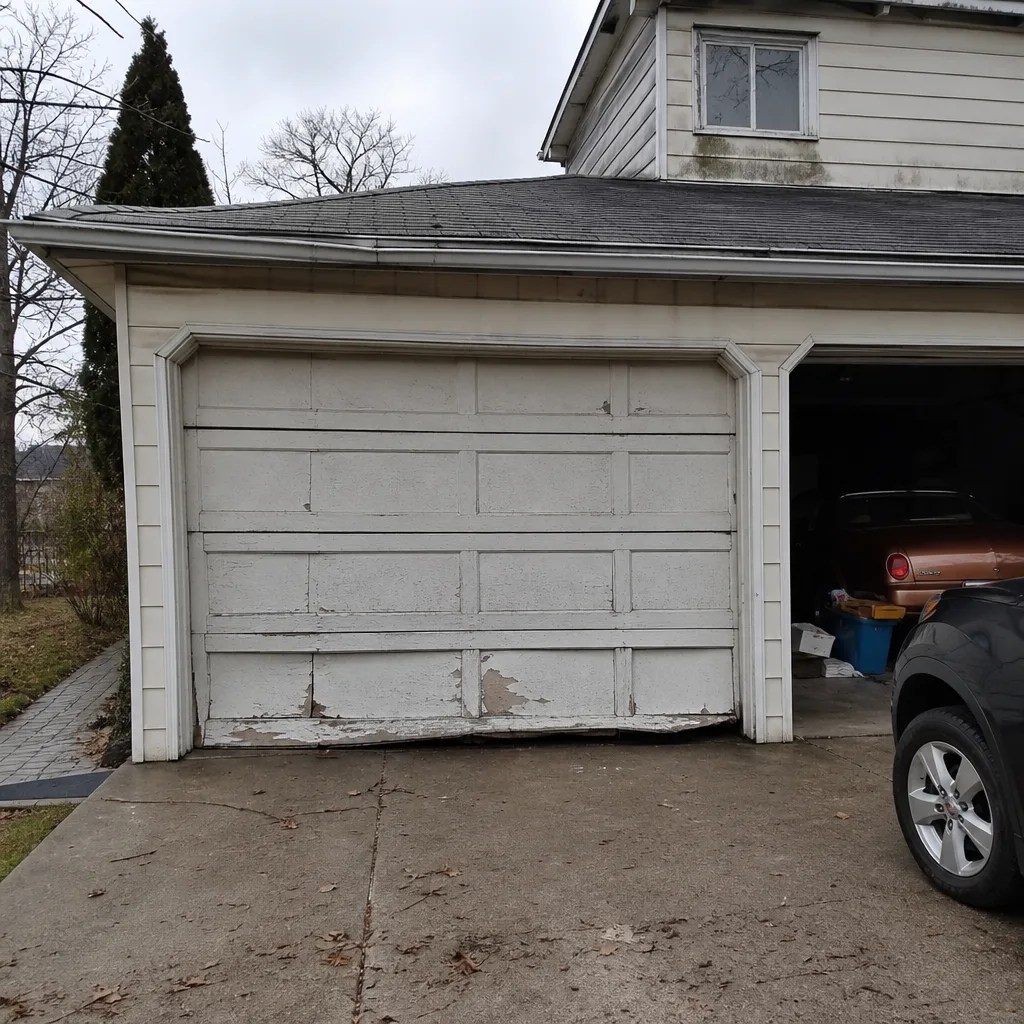 Before
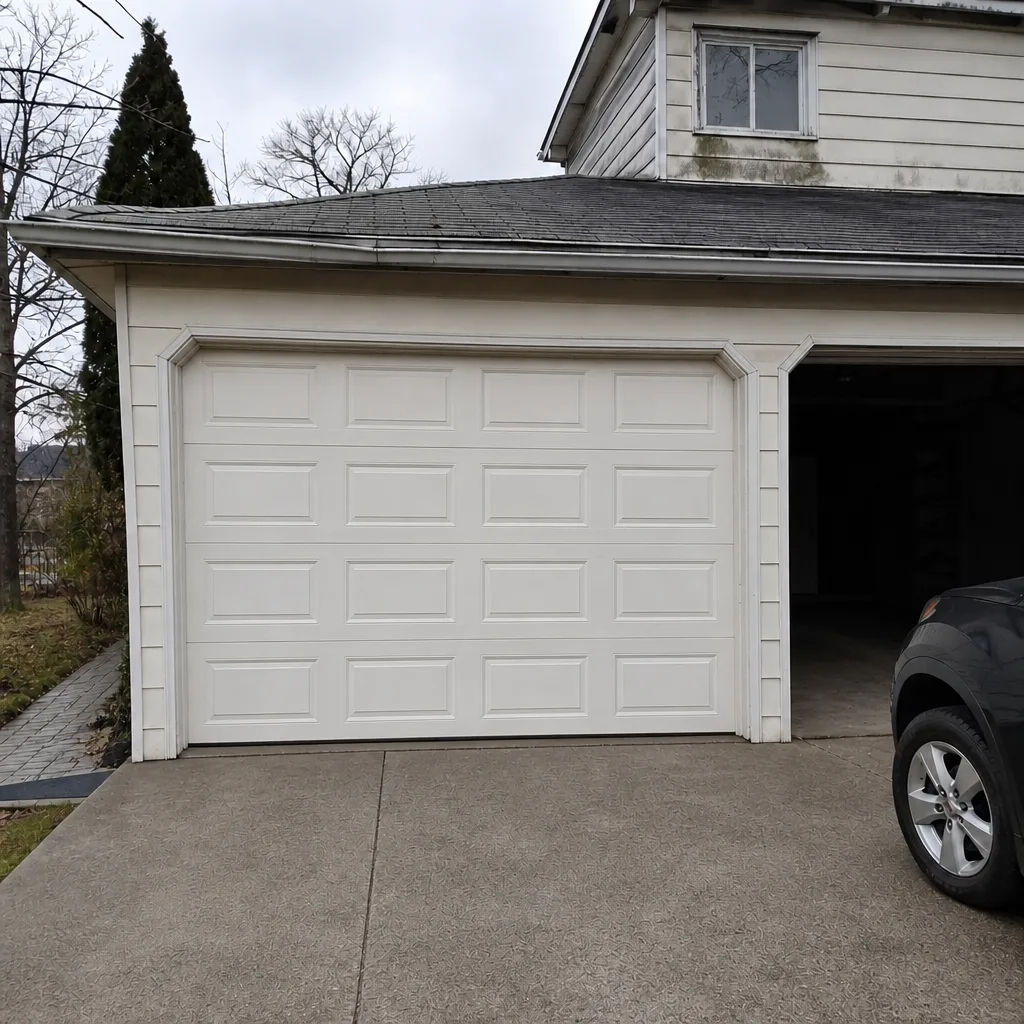 After
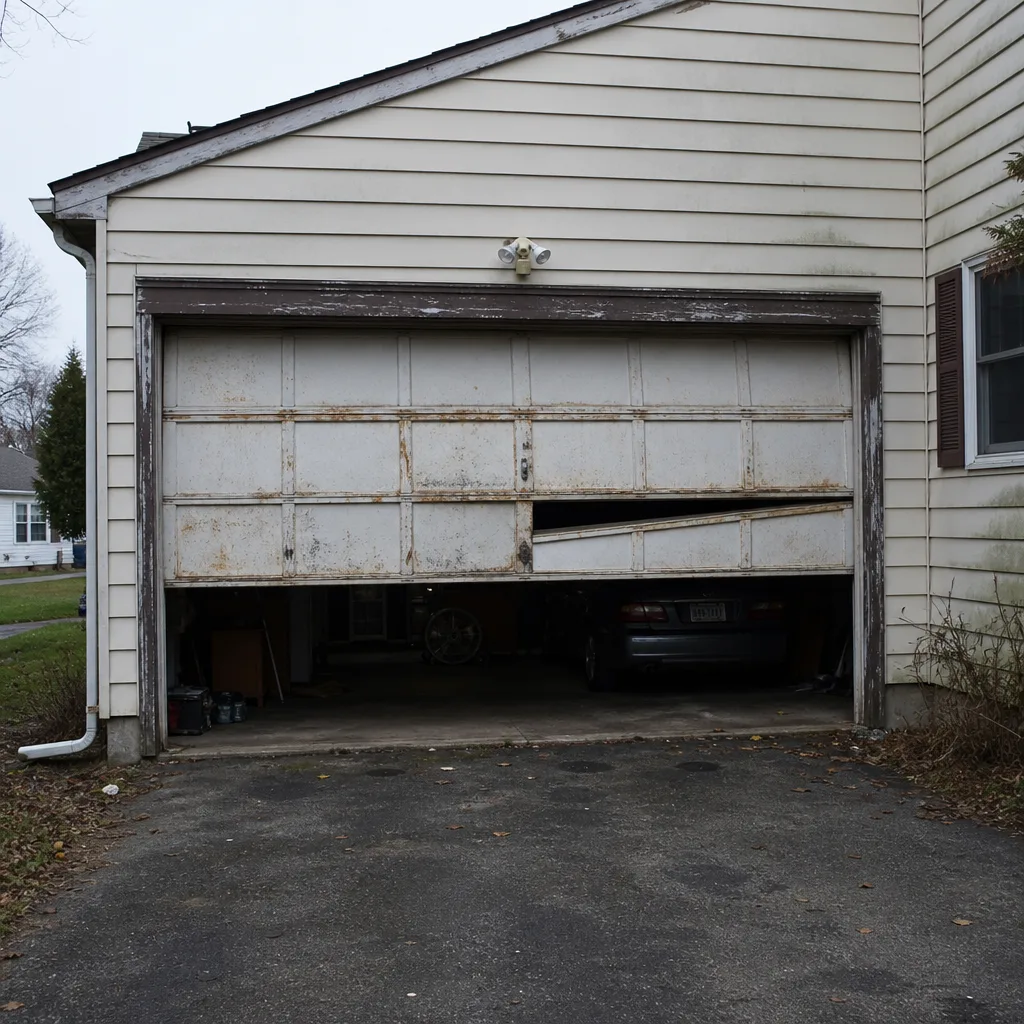 Before
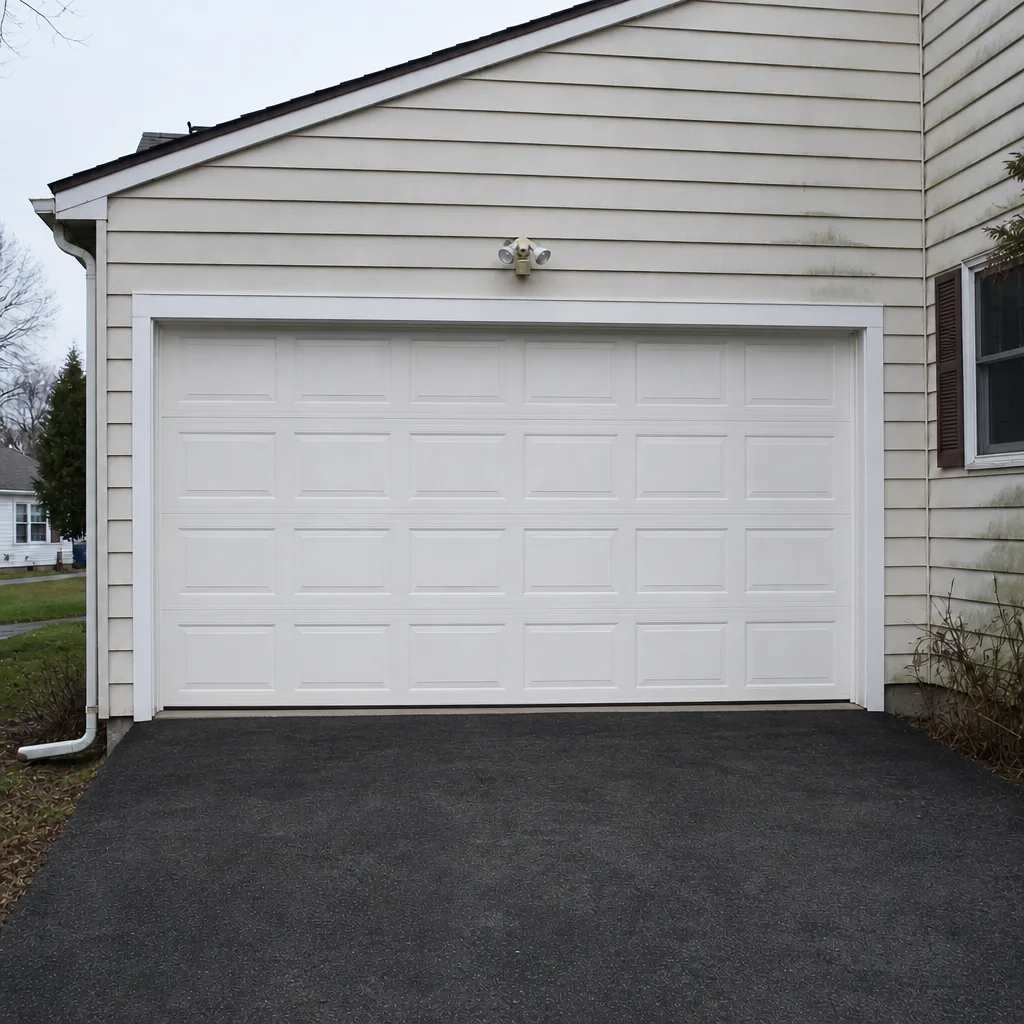 After
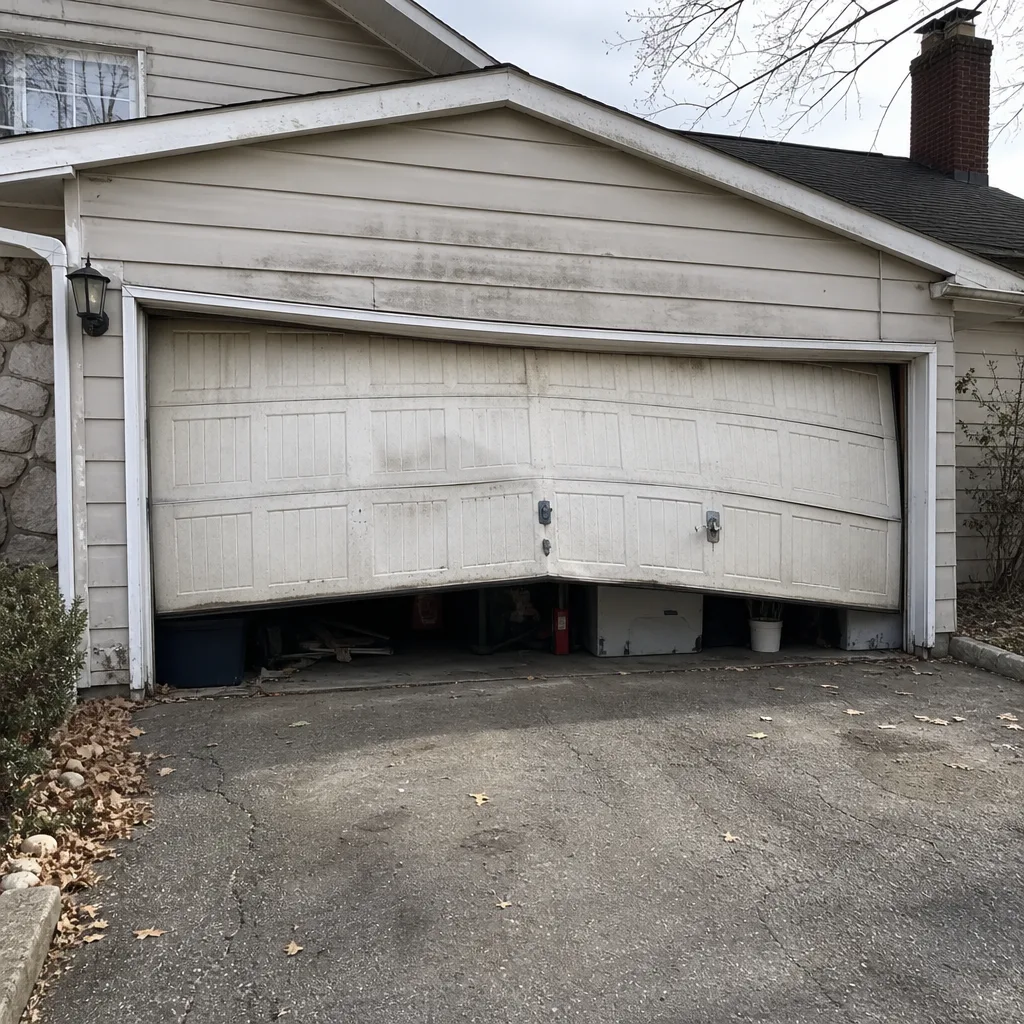 Before
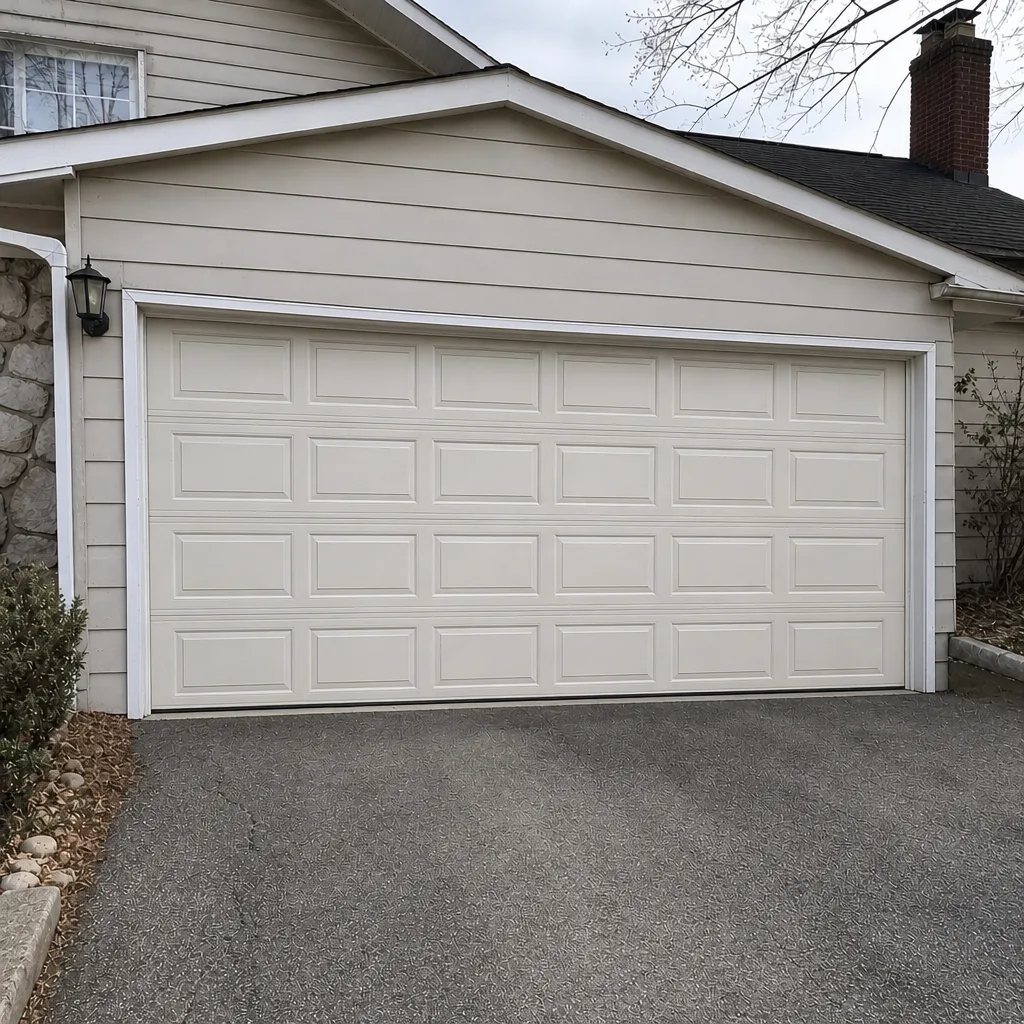 After
Frequently Asked Questions
No. Torsion spring replacement is the specific task we never recommend for DIY. The spring stores enough energy to break bones, and the winding procedure requires specialized winding bars that have no safe substitute. A slipped winding bar can release stored tension in an instant, and injuries from this job are real and severe. Call (855) 513-2771 and we’ll send a trained technician to handle it safely – estimates are free.
Safe DIY tasks are limited to low-tension, non-structural work: replacing the bottom seal or weatherstripping, lubricating rollers and hinges, cleaning and aligning photo-eye sensors, replacing remote batteries, and reprogramming remotes or keypads. Anything that touches springs, cables, drums, or opener force settings moves into the “call a technician” category. Call (855) 513-2771 if you’re unsure which category your repair falls into.
Garage door spring repair in Parsippany typically runs $180-$340 for a single spring, and $320-$620 for a matched pair, which is usually what gets replaced together. The written estimate you receive sets the final price, and we quote and agree the price before any work starts. Call (855) 513-2771 for an exact quote – estimates are free.
We’re closed Saturday. We’re open Sunday through Friday, 7am to 7pm. If your door fails on a Saturday, you can leave us a message and we’ll schedule you for Sunday. Call (855) 513-2771 to book a Sunday visit or any weekday appointment.
Usually not. Homeowner policies generally exclude damage caused by faulty workmanship or improper maintenance, so a DIY spring or cable repair that fails and causes further damage may not be covered. A written record of professional service on safety-critical components is worth keeping, and a licensed and insured local pro handling the work keeps the claim path cleaner. Call (855) 513-2771 for a professional assessment – estimates are free.
We work on the major brands: LiftMaster, Chamberlain, Genie, Clopay, Amarr, Wayne Dalton, Craftsman, and Raynor. That includes legacy chain-drive openers and newer smart-drive systems. If you’re not sure what brand you have, we can identify it when we arrive. Call (855) 513-2771 to schedule a free estimate.
The Bottom Line
The DIY-versus-professional question isn’t a test of your skill. It’s a question of which tasks carry genuine injury risk and which don’t. Seals, rollers, photo-eyes, and remote programming are safe homeowner work. Springs, cables, and cable drums are not, no matter how many videos you watch. The middle tier – opener adjustments, roller swaps, track realignment – is where a professional assessment pays for itself by catching a deeper problem before it fails. In Parsippany, our climate keeps that middle tier busy, and the stakes are real: a stuck door blocks your commute or your business. Our technicians have up to 10 years of experience, and we work on the brand already in your garage – LiftMaster, Chamberlain, Genie, Craftman, Clopay, Amarr, Wayne Dalton, or Raynor.
Contact Us
If your door needs a repair that’s outside the safe DIY list, or if you’d like a second opinion on whether a fix will hold, call Parsippany Garage Door Repair Co at (855) 513-2771 for a free estimate. We cover repair, opener repair, spring repair, and new installation. The price is quoted and agreed before any work starts, and we’re ready to help you decide what’s safe to take on and what isn’t.
Written by the team at Parsippany Garage Door Repair Co.