Last updated November 23, 2026
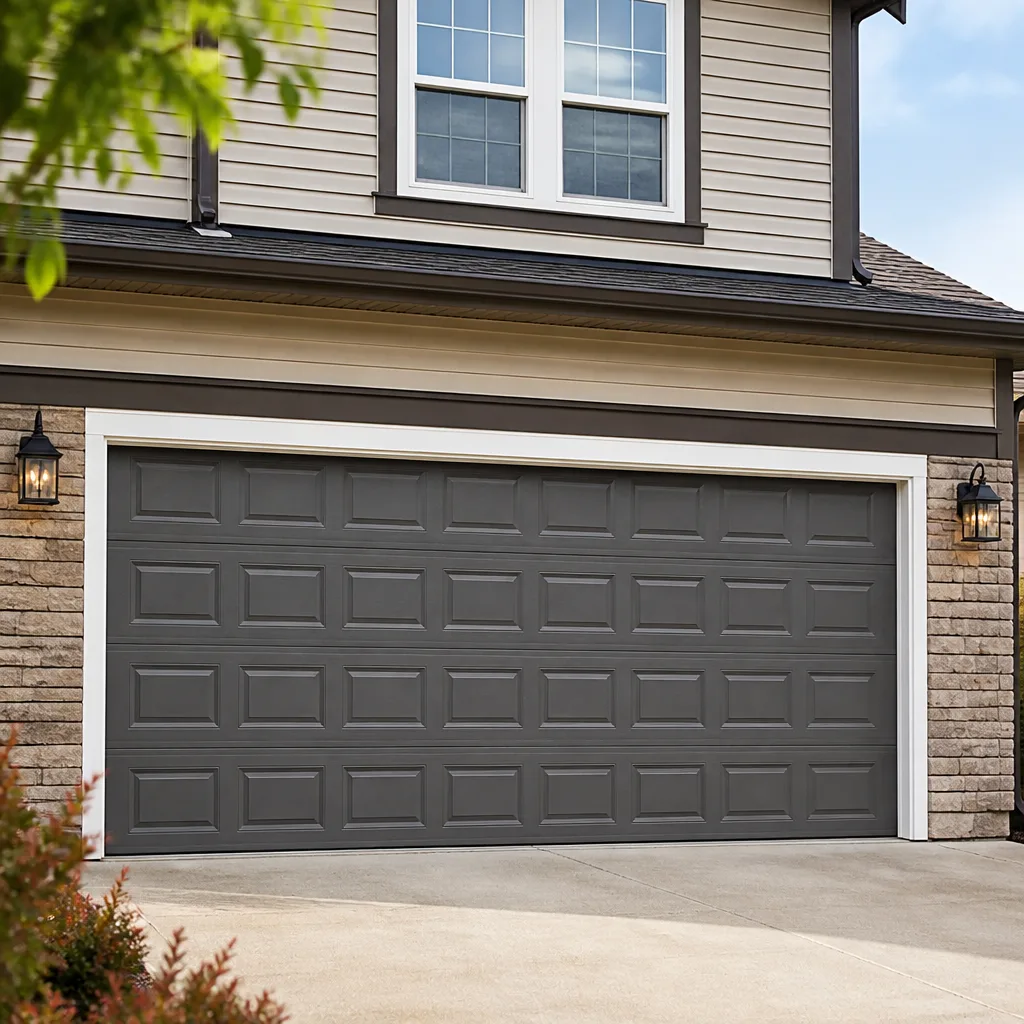 Raised-panel steel
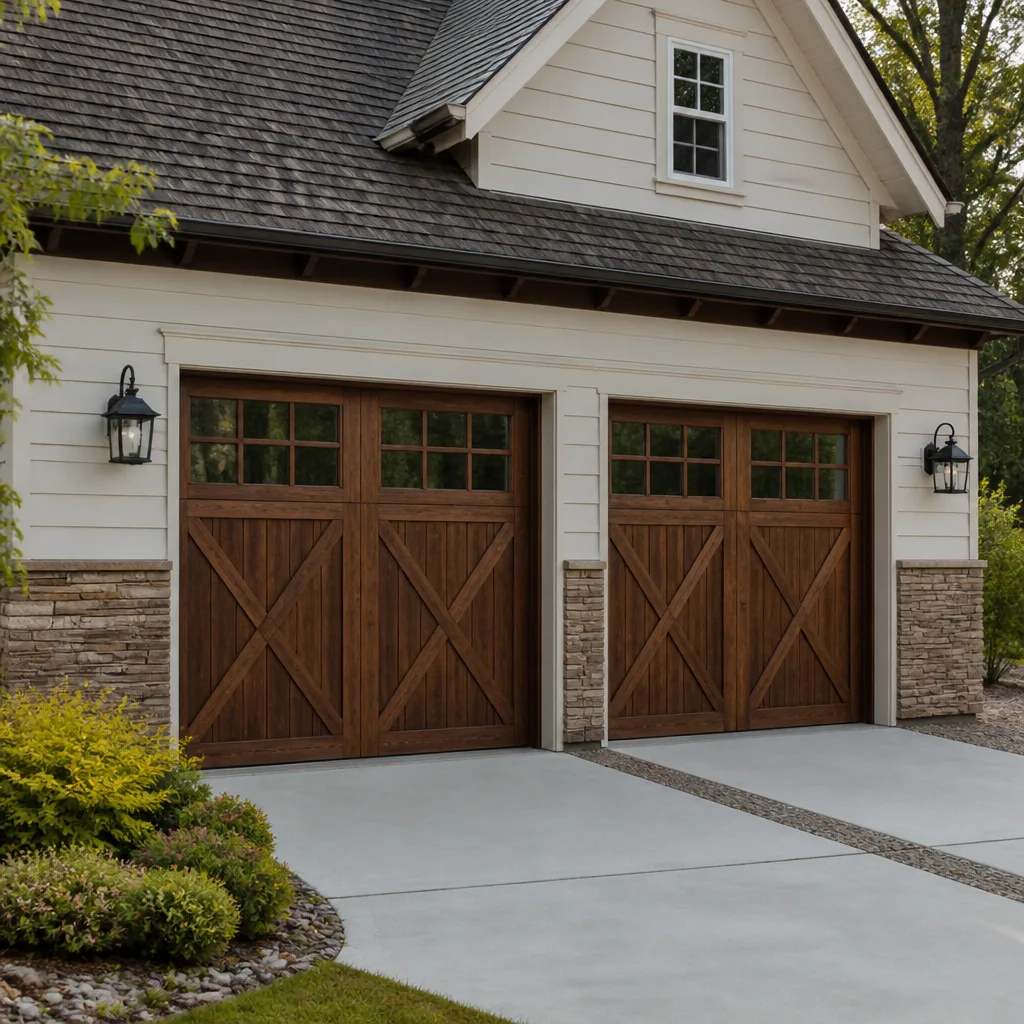 Carriage house
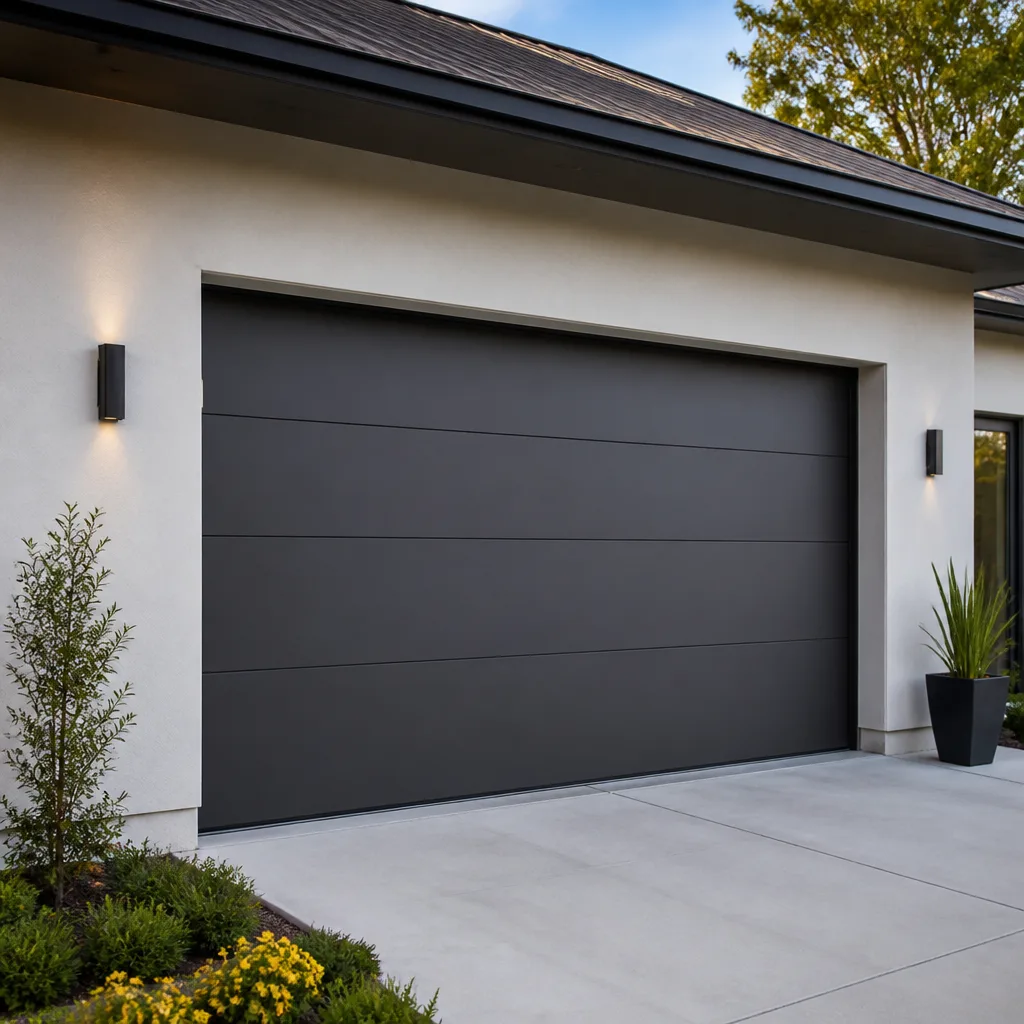 Modern flush
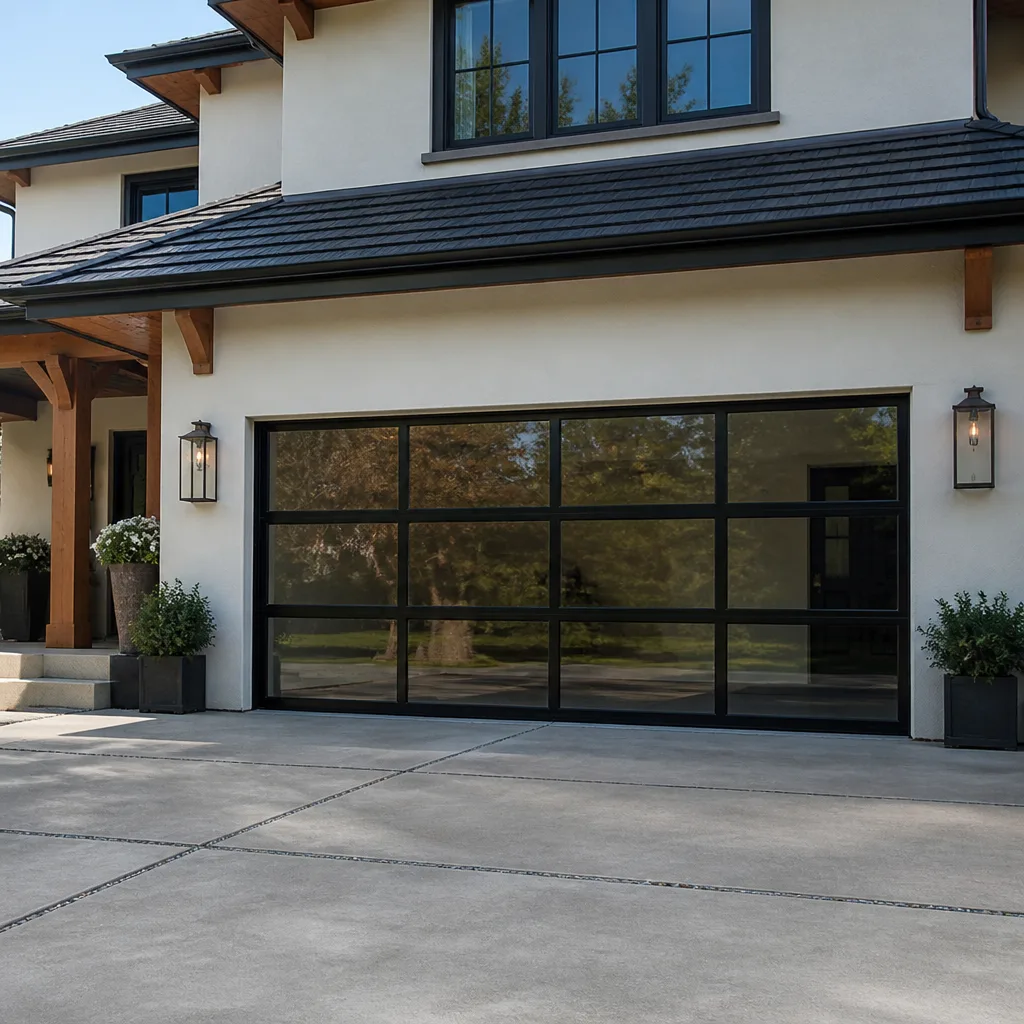 Full-view glass
 LiftMaster openers
 Chamberlain openers
Full 25-point door and opener safety check with every visit - springs, cables, rollers, tracks, and your LiftMaster or Chamberlain opener included
You get a price before we start. It does not change when the pro arrives.
Get your free estimateGarage Door Permits, Codes & Inspections in Parsippany, NJ: What You Need to Know
Most homeowners in Parsippany assume a garage door replacement is one of the simplest projects on the house: order the door, watch it go up, hand over a check. That assumption is usually right about the door and wrong about everything around it. A straight swap of a same-size door in the same opening often needs no permit at all. The moment you widen the opening, add a new circuit for a smart opener, or touch the fire-rated door that separates an attached garage from the rooms you sleep in, you’ve stepped into regulated work that gets checked at resale and can stall a closing. This guide walks through how the rules actually work in Parsippany, where the line sits between exempt and permitted work, and what inspectors look for when they arrive.
Quick Answer
In Parsippany, a like-for-like garage door replacement in an existing opening of the same size is generally treated as ordinary maintenance and needs no construction permit, but changing the rough opening size, running a new electrical circuit for an opener, or installing a door that forms the fire separation between an attached garage and living space requires permits under the New Jersey Uniform Construction Code. The door between your garage and house must meet fire-separation rules, and the electrical portion of a new opener has to be wired by a licensed electrician. When in doubt, call the Parsippany-Troy Hills Township building department and describe the exact scope before work starts.
Styles & brands we work with
- Raised-panel steel
- Carriage house
- Modern flush
- Full-view glass
- LiftMaster openers
- Chamberlain openers
Table of Contents
- When a Garage Door Replacement Is Exempt in Parsippany
- When You Do Need a Permit
- Fire-Separation Rules for the Garage-to-House Door
- Openers, Electrical Permits, and Who Can Wire What
- How to Permit Work That Was Already Done
- What Inspectors Actually Look For
- How to Prepare for a Garage Door Inspection
- Common Mistakes to Avoid
When a Garage Door Replacement Is Exempt in Parsippany
A garage door swap that stays inside the existing opening and keeps the same dimensions is usually considered maintenance, not construction. You’re not altering the structure, changing the footprint, or adding a new load-bearing element. In most cases, that kind of replacement doesn’t require a construction permit from Parsippany-Troy Hills Township. The old door comes off, the new one goes on tracks and springs sized for the existing opening, and the job wraps up with no blue paper filed with the town.
The exemption is narrow, though. It exists because nothing structural changes. If any of the following shift, the exemption stops applying:
- The rough opening gets wider or taller
- The header above the opening is modified or replaced
- A new structural post is added on either side
- The door type changes in a way that affects the fire separation
- A new opener circuit is run to the panel
- The wall between garage and house is altered around the door
We see the widest interpretation of “exempt” applied to a scenario that never quite fits it: a homeowner buying a wider door and asking the installer to trim the opening to match. That’s structural work, plain and simple. It requires a permit and an inspection once the framing is done, before the door goes on. A garage door replacement in Parsippany that changes the rough opening is a construction project, even if it takes one afternoon.
What about upgrading the door material without changing size? A steel door swapped for an insulated model in the same opening is still a same-size replacement, and that typically stays exempt. Same for swapping a Raynor door for a comparable model from a different brand. If the opening stays put, you’re usually in maintenance territory.
The honest rule of thumb: if you’re touching the frame, the header, the wiring, or the fire-rated wall, call the town. If you’re replacing the door in the opening it already occupies, you probably don’t need a permit. Most reputable installers will ask you upfront which one applies.
When You Do Need a Permit
Permits exist to make sure the work was done to code, and the inspection process is the town confirming it. In Parsippany, the situations that push a garage door project into permit territory are concrete and predictable. Here’s the short list:
- Rough opening change. Widening or raising the opening, altering the header, or adding a new structural member means framing work, and framing work needs a construction permit with a framing inspection.
- New electrical for an opener. If there’s no existing outlet or circuit for the opener and you need a new one run to the panel, that’s an electrical permit. See the next section on who’s allowed to do it.
- Fire-rated door installation. If the door between the garage and the living space is being replaced or added, that’s usually inspected as part of the fire-separation requirements described below.
- Structural changes to the wall above the door. Anything that affects how the wall carries load, including a new beam or a removed shelf angle, needs a permit and inspection.
- New construction or additions. An attached garage that’s part of a larger addition or renovation obviously pulls the door into the permit package for the whole project.
We’ve seen homeowners get turned around on item two again and again. A LiftMaster or Chamberlain opener installs cleanly when there’s already a dedicated outlet in the ceiling. If the garage never had one and the installer offers to “just add a plug,” the permitting question isn’t optional. That’s an electrical scope, and the township wants to see an electrical inspection sign-off before the circuit goes live.
The cost of a permit for residential garage door work in Morris County is modest compared to the cost of unwinding a problem at resale. Filing fees scale with the scope, but as a planning rule, budget a few hundred dollars for a combination construction and electrical permit that includes inspection visits. Compare that against a stalled closing and it’s not close. If you’re not sure which permit applies, the township building department will tell you. Describe the project as exactly what it is and ask them which permits to file for. For more on how a replacement project is scoped from the door side, see our garage door repair overview, which covers how the work gets broken down.
Fire-Separation Rules for the Garage-to-House Door
The door between an attached garage and the house is one of the most misunderstood components in residential code. It’s not just a door; it’s part of the fire separation between a space where cars, fuel, and tools live and a space where people sleep. Section R302.5 of the International Residential Code, which New Jersey adopts with amendments, governs this door. The rule requires a door between garage and living space to be not less than 1-3/8 inches thick and to provide fire protection equivalent to a 20-minute rating.
In practice, that means:
- A solid wood door of the required minimum thickness, or
- A hollow-core steel door rated for the application, or
- A labeled fire-rated door where local amendment requires it
Standard interior doors often fail this. A 1-3/8 inch hollow-core wood interior door is a common substitution and doesn’t meet the intent of the rule because it burns through too quickly. An installer who swaps the garage-to-house door for a light interior model to match the rest of the house has quietly created a code problem that surfaces when the door is inspected.
The door also has to be self-closing where the rule requires it, and no, an unlatched door that swings freely into the house doesn’t satisfy that. Hinges and closers matter here. The frame and threshold have to be intact and gap-free for the same reason: smoke moves through gaps faster than people expect.
In Parsippany homes, especially older construction and split-levels where the garage shares a wall with a family room or hall, this door is often original and worn. Replacing it during a door swap is good practice and usually triggers a permit because it’s fire-rated work. We’ve talked with plenty of homeowners surprised to learn that the plain interior door they put in five years ago during a remodel is now a conversation point with a buyer’s inspector. The fix isn’t complicated, but it needs to be done once, correctly, with the right rated door, hardware, and inspection sign-off.
Openers, Electrical Permits, and Who Can Wire What
Here’s where the rules get specific and most homeowners get left in the dark. A garage door installer can hang the opener, mount the rail, attach the arm to the door, and program the remotes. What an installer can’t do, unless they also hold an electrical license in New Jersey, is run a new circuit from the electric panel to the opener’s location, install a new outlet where none exists, or make the final connection into the panel itself. That’s a licensed electrician’s scope, and it requires an electrical permit and inspection.
The distinction is worth spelling out because it changes how you plan the job:
- Existing outlet in the ceiling: The installer plugs in the opener and the job is a door/operator install, no electrical permit needed.
- Existing outlet, but it’s on a shared circuit the opener overloads: An electrician evaluates and possibly adds a dedicated circuit, which needs a permit.
- No outlet at all: An electrician runs a new dedicated circuit and outlet, inspector signs off, then the opener can be mounted and connected.
- Smart opener or Wi-Fi unit needing a neutral and grounded outlet: Same rule; if the wiring isn’t there, it has to be added by the electrician.
The sequencing matters. The cleanest order is: electrician runs the circuit and outlet first, inspection passes, then the door and opener installation. That way the opener tech isn’t waiting on a panel and the electrician isn’t trying to pull wire around a freshly hung door. For an opener swap where the outlet is already in place, we handle the install in one visit on the opener side, and we always confirm the wire situation before the appointment. See our garage door opener repair page for how we scope older LiftMaster and Craftsman units and how we tell the difference between an opener problem and a wiring problem.
What you should never do, and what no responsible installer will do, is have the door tech “just add a plug” from the existing circuit under the panel. That’s unpermitted electrical work by an unlicensed person, and it’s the kind of shortcut that gets flagged when a buyer’s inspector opens the panel and finds an unlabeled circuit with no permit record.
How to Permit Work That Was Already Done
Work done without a permit happens. Sometimes it’s a homeowner who didn’t know, sometimes it’s a contractor who skipped the filing, and sometimes it’s a door swapped twenty years before anyone thought about fire-rated interior doors. The good news: New Jersey has a process for permitting unpermitted work after the fact, and Parsippany homeowners use it more often than you’d guess. Here’s how it usually goes:
- Call the township building department and describe exactly what was done. Say the year it was installed if you know it, the scope, and whether any electrical work was involved. Be plain; the office has heard this before.
- File a permit application marked as “after the fact.” The building department will often route it through a slightly different review because existing work is being brought into compliance.
- Expect an inspection of the existing work. The inspector will look at the door, tracks, springs, hardware, fire separation if applicable, and any electrical connections. If something isn’t to code, you’ll get a correction notice.
- Make any corrections. Often this is minor: a missing self-closer on the fire door, an ungrounded outlet, a spring that was installed with the wrong winding. Sometimes it’s a full door replacement.
- Re-inspect and close the permit. Once the corrections are signed off, the permit records at the township show the work as legal, which is what a buyer’s attorney will want to see.
Total cost for a retroactive permit typically lands in the same neighborhood as a proactive permit, generally a few hundred dollars for the application plus inspection fees, plus whatever corrections the inspection uncovers. In Parsippany, working through this in advance of a sale is far easier than trying to close a deal with an open item on the permit record. We’ve seen buyers ask for a permit history search as standard due diligence now, which makes retroactive filing a straightforward conversation instead of a surprise negotiation at the eleventh hour.
If you don’t know who did the original work, the township can still process the filing, and an inspection of the current door and opening will establish what’s there. In many cases, a well-installed door passes the inspection on the first visit. For anything involving the springs, always have a trained technician evaluate before inspection; we cover why on our garage door spring repair page.
What Inspectors Actually Look For
Garage door inspections aren’t mysterious. The inspector is checking that the door and its supporting hardware match the permitted scope and are installed safely and to code. In our experience working on doors across Parsippany, here’s what tends to come up:
Structural and framing (when a permit is open)
- Header size and condition match the plan
- Jambs are plumb and load paths are intact
- Framing has the required nailing or hangers
- The opening dimensions match what was approved
Door hardware
- Springs sized for the door weight, with no visible damage
- Cables intact and properly wound on the drum
- Rollers seated in the tracks with no bent sections
- Lift cables secured at the bottom brackets with the correct fasteners
- Bottom seal intact and not blocking the photo-eye path
Safety devices
- Photo-eye sensors mounted within 6 inches of the floor, aligned, and functioning
- Automatic reverse engages when the door meets an obstruction
- Manual release works from inside the garage
- Wall-mounted control is reachable and functional
Fire separation (when applicable)
- Door material and thickness meet the required rating
- Self-closer installed and functioning
- Frame, threshold, and gaps intact
Electrical connections
- Outlet grounded and properly boxed
- Circuit labeled at the panel
- No exposed or spliced wiring at the opener head
An inspector will typically run the door up and down at least twice, test the reverse, and check the photo-eye alignment. If there’s an electrical permit included, expect a separate electrical inspection that covers the outlet and panel. Both inspections need to pass before the permit is closed. If the door is a code-compliant same-size replacement with no electrical, there may be no inspection at all, which is exactly why a clean install matters: the next inspection you face might be the buyer’s, years later.
How to Prepare for a Garage Door Inspection
You don’t have to do much, but a few minutes of preparation goes a long way toward a clean first-pass inspection. Here’s a practical checklist to work through before the appointment:
- Clear the garage floor. The inspector needs to walk around the door and inspect the tracks on both sides. Boxes stacked against the door frame slow everyone down.
- Make sure the opener works and the wall control is reachable. If the remote batteries are dead, replace them; if the wall button is broken, mention it.
- Check the photo-eyes. With the door closed, wave an object across the sensor path. If the door doesn’t reverse or stop, tell the inspector when they arrive.
- Have the paperwork ready. Permit number, the approved plan if one exists, and the installer’s contact info. If any electrical work was done, have that electrician’s contact info too.
- Clear the fire door path. If the door between the garage and house is being inspected, make sure it can swing freely and close under its own weight from the closer.
- Note anything odd. A noise the door makes at a certain point, a track that looks bent, a gap in the weather seal. Point it out up front rather than let the inspector find it.
One habit worth building: after any garage door work in Parsippany, keep the permit paperwork with your home documents. Sellers who hand a buyer a folder showing permits and inspections filed and closed have a lot less to explain. It also saves time if you ever need a second inspection for something unrelated, since the record already exists.
If the inspector finds something, don’t panic. Most correction notices are small and specific. A missing self-closer, an ungrounded outlet, a sensor mounted too high. Fix the item, reschedule, done. The problems get expensive when they’re structural and were never permitted in the first place. Those are the ones that show up eight years later during a closing.
Common Mistakes to Avoid
- Assuming all replacements are exempt. Like-for-like size in the same opening is usually exempt. Change the opening and you’re in permit territory. The line is the rough opening, not the door model.
- Letting the installer wire the opener circuit. Unless they hold an electrical license, they can’t legally run a new circuit in Parsippany. Existing outlet, yes. New circuit, no. The electrical permit exists for this reason.
- Skipping the fire-rated door on the garage-to-house wall. A hollow-core interior door doesn’t meet the intent of R302.5. When that door is part of the project, get the right rated door and self-closer.
- Not retesting the safety reverse after a new install. The photo-eye alignment and reverse test have to work at the moment the inspector is there. Test them a day before the appointment so you’re not scrambling.
- Filing paperwork and then leaving the door in limbo. An open permit on a property record can hold up a closing. If a permit gets opened, get it inspected and closed, even if the work itself looks fine.
- Hiring a contractor who won’t discuss permits. A good installer will ask upfront which situation applies and will say “that needs a permit” without any drama. If they dismiss the question, take it as a sign.
- Doing the retroactive permit only after a sale is pending. The process is faster and cheaper when it’s not under pressure. If you know a door was installed unpermitted, start the paperwork before you list.
See the difference
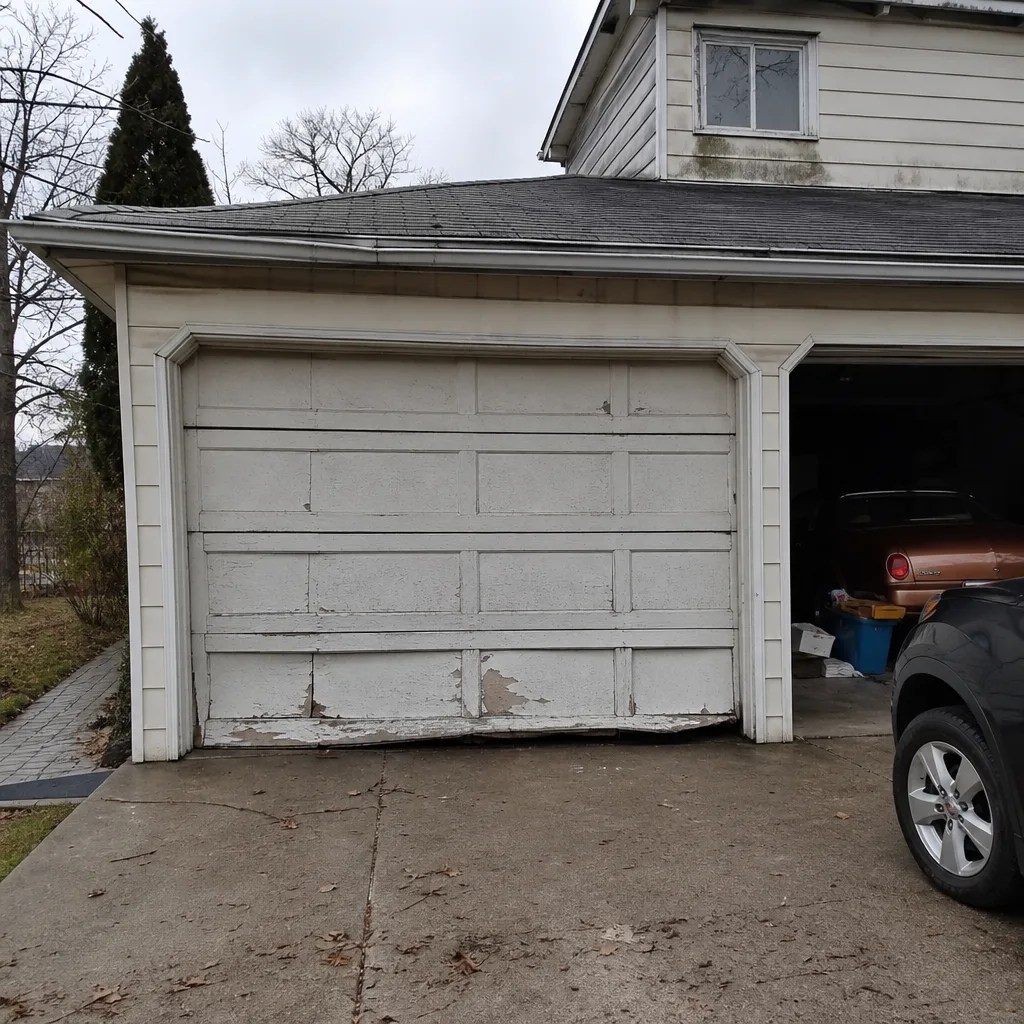 Before
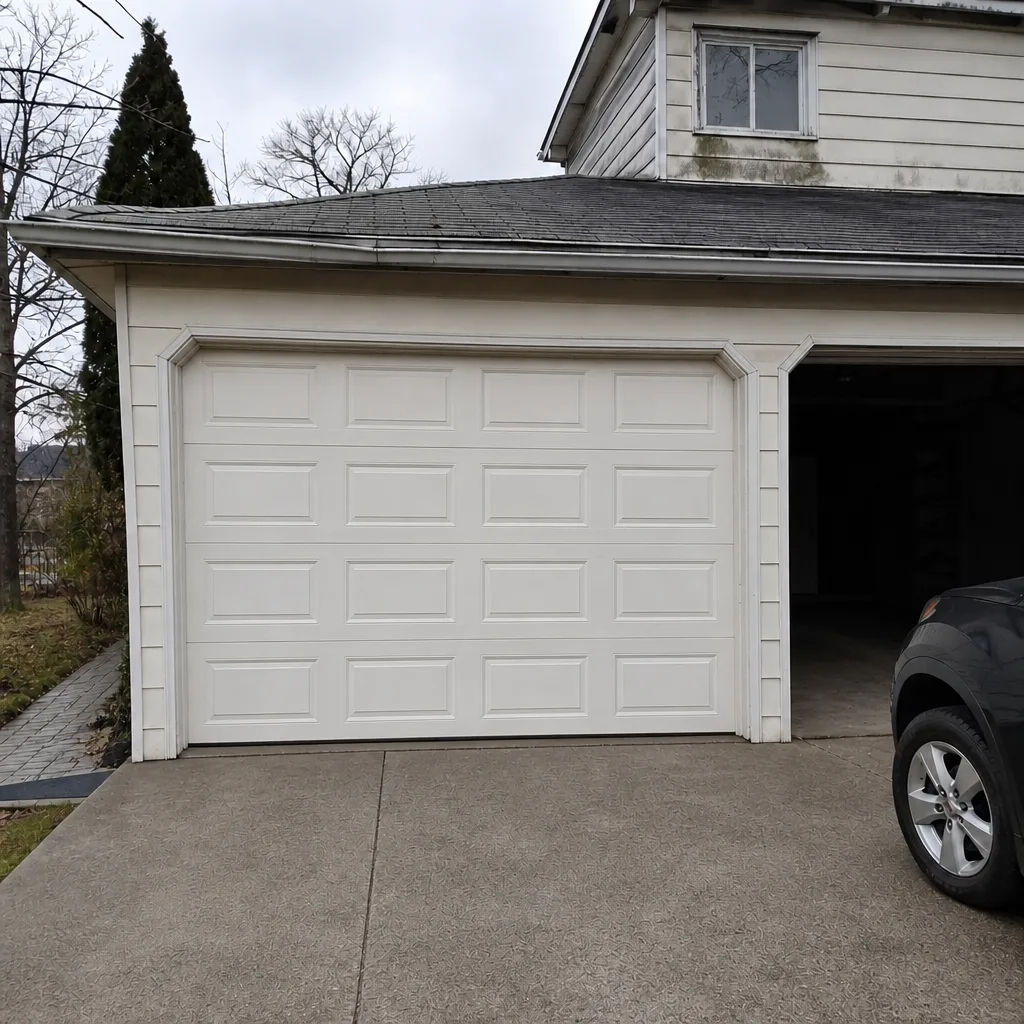 After
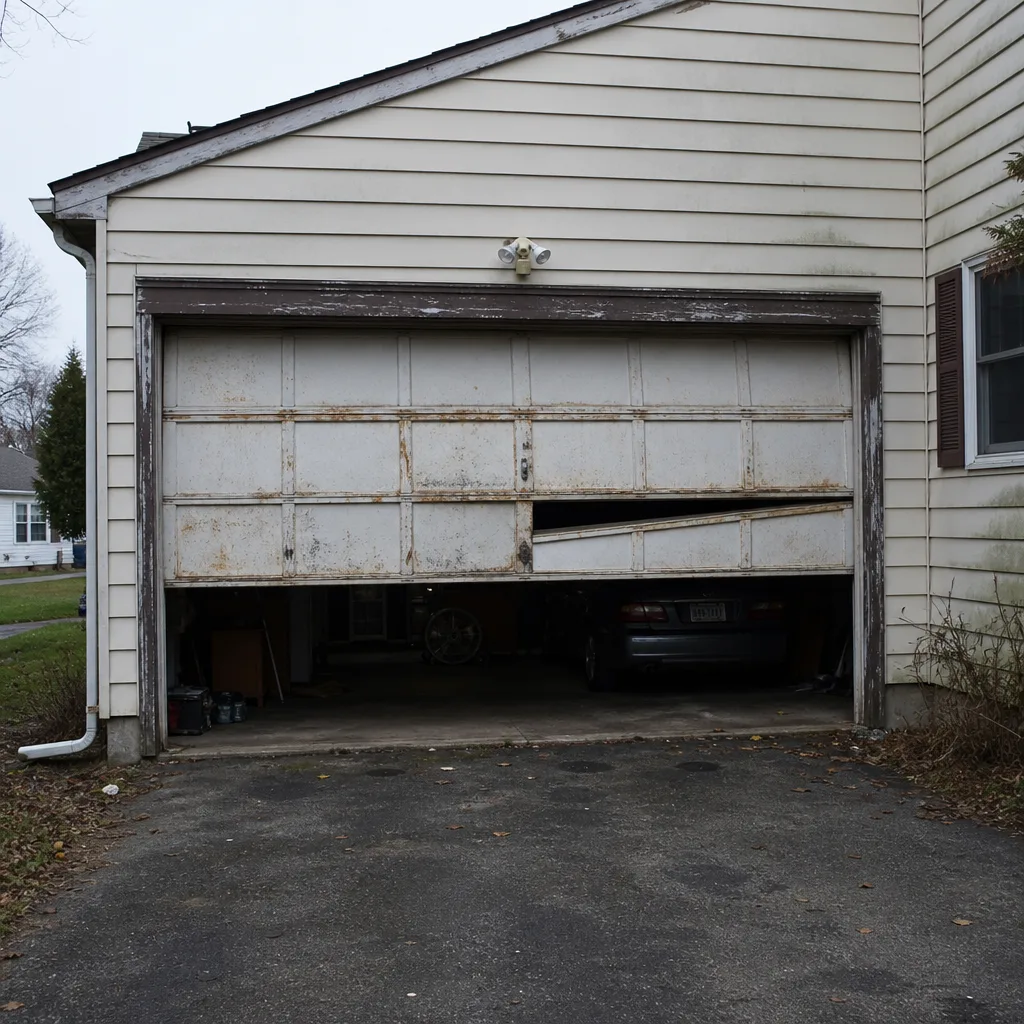 Before
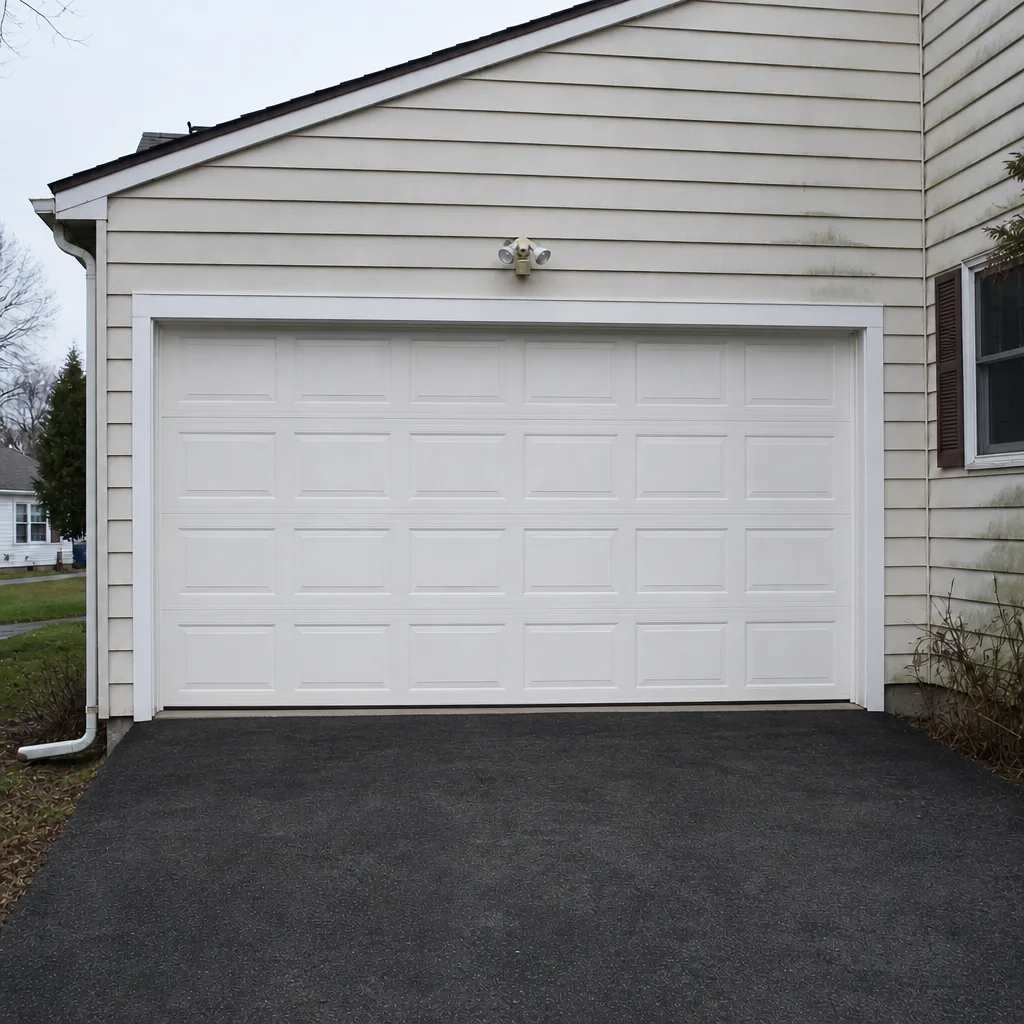 After
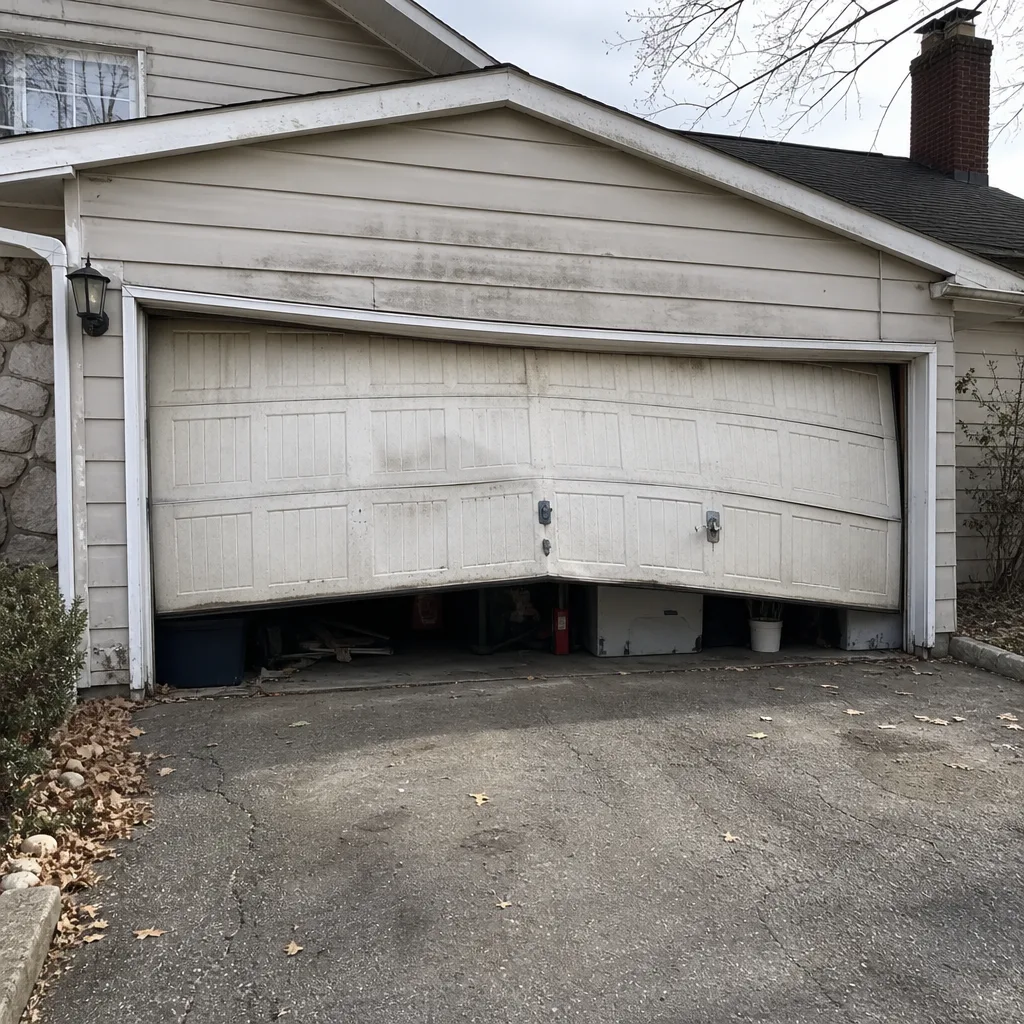 Before
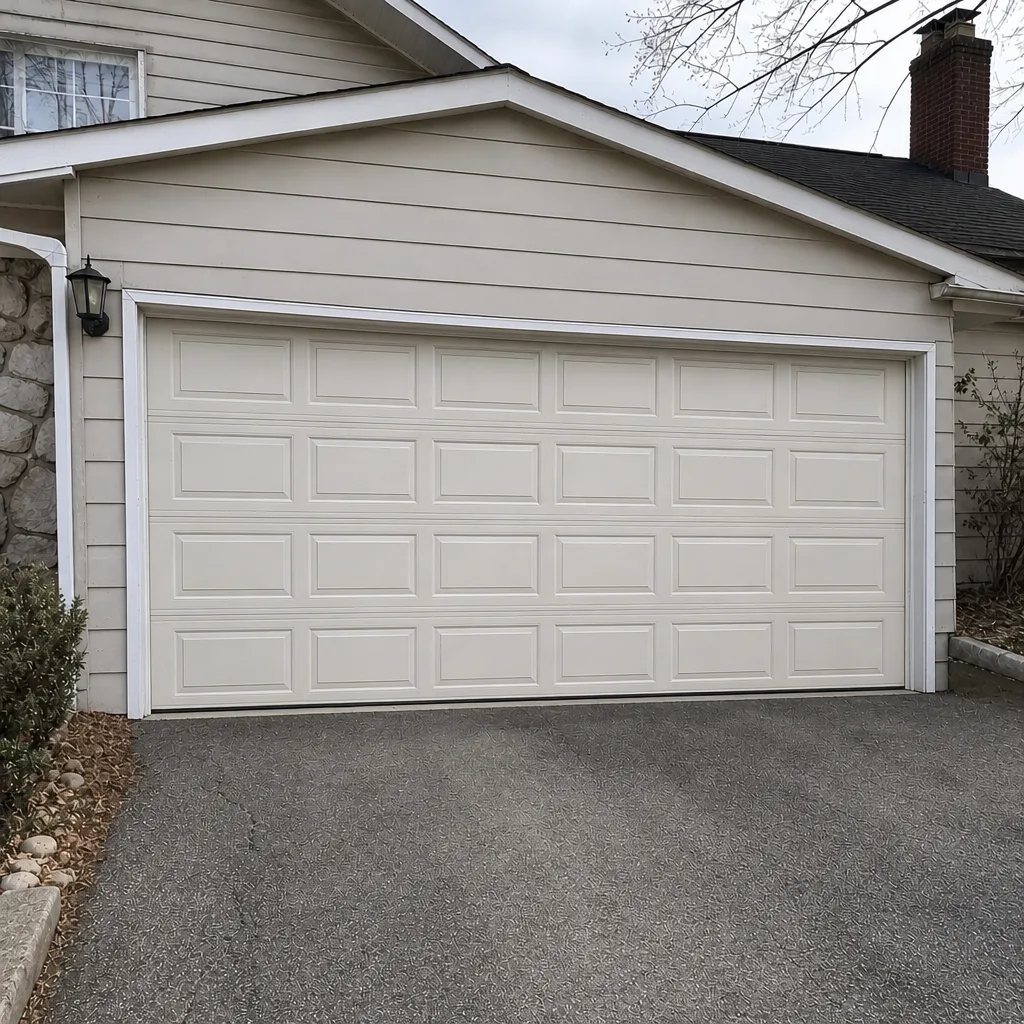 After
When to Call a Professional
Some garage door issues are obvious calls: a snapped spring, a door that’s come off its tracks, an opener that hums without lifting. Others are quieter. A door that reverse-tests fine one week and fails the next. A fire-rated door that doesn’t latch on its own. A retrofit opening where the header was never checked. In those cases, a trained technician can assess the door, confirm what’s safe to leave and what needs correction, and connect the door-side findings to the permit and inspection questions above. Spring work in particular is not a homeowner scope; torsion springs are under extreme tension and belong to trained hands only. Parsippany Garage Door Repair Co offers free estimates in Parsippany, call (855) 513-2771, and we work on the brand already in your garage across LiftMaster, Chamberlain, Genie, Clopay, Amarr, Wayne Dalton, Craftsman, and Raynor. One call covers repair, opener, spring, or full replacement, and the price is quoted and agreed before any work starts.
Frequently Asked Questions
Usually no, if you’re replacing the door in the same rough opening at the same size. If the project changes the opening size, modifies the header, adds a new electrical circuit for the opener, or involves the fire-rated door between garage and house, a permit is required under the New Jersey Uniform Construction Code. Call the Parsippany-Troy Hills Township building department and describe your exact scope to confirm. To get an exact price on the door work itself, call (855) 513-2771; estimates are free.
A retroactive or “after the fact” permit in Morris County typically costs a few hundred dollars in filing and inspection fees, plus whatever corrections the inspection uncovers. The application itself is straightforward: describe the work to the township building department, file the permit marked as existing work, schedule the inspection, and correct anything flagged. If you have a pending sale, filing early is simpler than trying to reconcile it during attorney review. Call (855) 513-2771 to have a technician inspect the door and flag anything likely to come up.
Any new electrical circuit for a garage door opener in Parsippany must be run by a licensed electrician and covered by an electrical permit. The door installer can hang the opener and connect it to an existing outlet, but not run a new circuit or outlet from the panel. Sequence the electrical work first, let the electrician’s inspection pass, and then have the opener installed. Call (855) 513-2771 to confirm how your install is scoped.
Yes. Section R302.5 of the International Residential Code, which New Jersey adopts with amendments, requires the door between an attached garage and living space to be at least 1-3/8 inches thick and to provide fire protection equivalent to a 20-minute rating, with a self-closer where applicable. A hollow-core interior door doesn’t meet that intent. If you’re replacing that door, make sure the rated door and self-closing hardware are part of the job. Call (855) 513-2771 for an assessment.
You can sell it, but a buyer’s inspector will likely flag the unpermitted work and the sale can be delayed or renegotiated. The fix is to permit the work retroactively through the township and get it inspected and closed. Once the permit record is cleared, the concern is largely resolved. Have the door inspected for anything that would show up during the retroactive inspection so nothing derails closing; call (855) 513-2771 for a free estimate.
No. The price you’re quoted and agree to before work starts is the price of the job. If we open the door and find something that changes scope, we stop and re-quote before doing any additional work, so there’s no surprise invoice at the end. That applies whether the job is a straightforward spring swap or a full replacement with an opener. Call (855) 513-2771 to schedule a free estimate.
The Bottom Line
Garage door work in Parsippany sits on a simple line: same-size replacement in the same opening is maintenance, and everything else is permit work. Change the rough opening, add a new opener circuit, or touch the fire-rated door between garage and house, and you’re into construction and electrical permits with inspections that need to pass before the job is closed out. Handle the permits up front, hire licensed trades for the electrical portion, and keep the paperwork with your home records. If you inherited a door that was installed without a permit, file for retroactive approval before you list. Everything else is a phone call. When you need a technician who already knows the brand in your garage and treats springs with the caution they deserve, call Parsippany Garage Door Repair Co at (855) 513-2771 for a free estimate. Our technicians have up to 10 years of experience, and we handle repair, opener work, springs, and full installation in one place.
Written by the team at Parsippany Garage Door Repair Co.